Small batches for real press trials
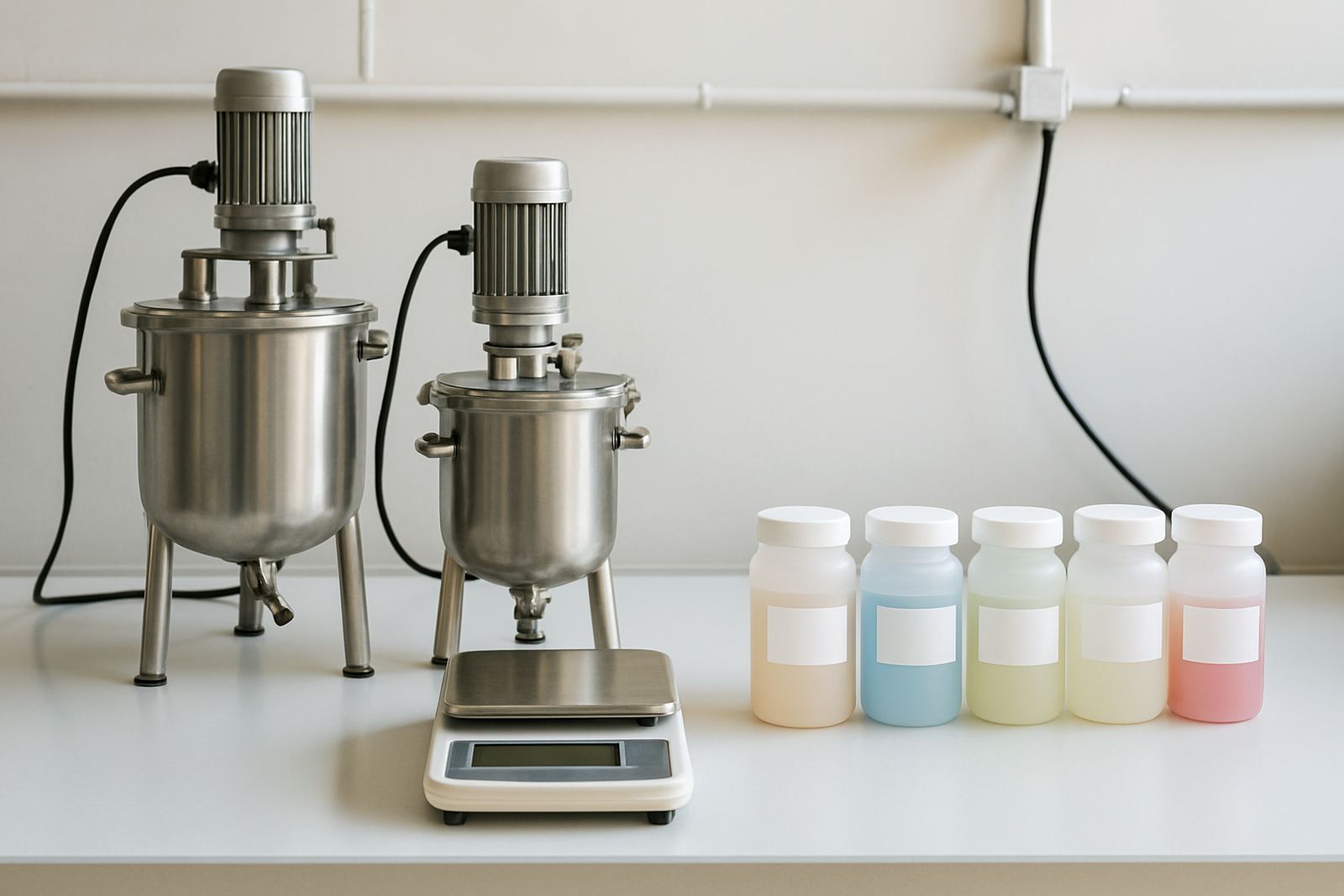
Trial batch making is for converters who need to prove an ink on actual packaging materials before committing to production volumes. At our Jacobs, Durban base, we prepare small runs for carton, label, sleeve and film applications, with batch sizes typically from 1 litre to 25 litres depending on the substrate and the test objective. That lets you check the result on your own line, in your own conditions, before you buy more than you need.
We set up each batch to suit the job, whether the brief is a thermochromic indicator for chilled goods, a security pattern for authenticity, or a combination of both. The focus is on practical results: how the ink prints, how it cures, how it holds up to handling and whether the visual change performs at the temperature point you want. It saves time, cuts waste and helps avoid expensive reworks later on.
Because packaging work often shifts between short runs and repeat production, we keep the trial process tight and traceable. Each sample is identified, recorded and stored in our batch retain library so we can refer back to it when the job moves forward. For many converters in Durban, Pinetown, Prospecton and beyond, that record is just as useful as the sample itself.
What is included in a trial batch
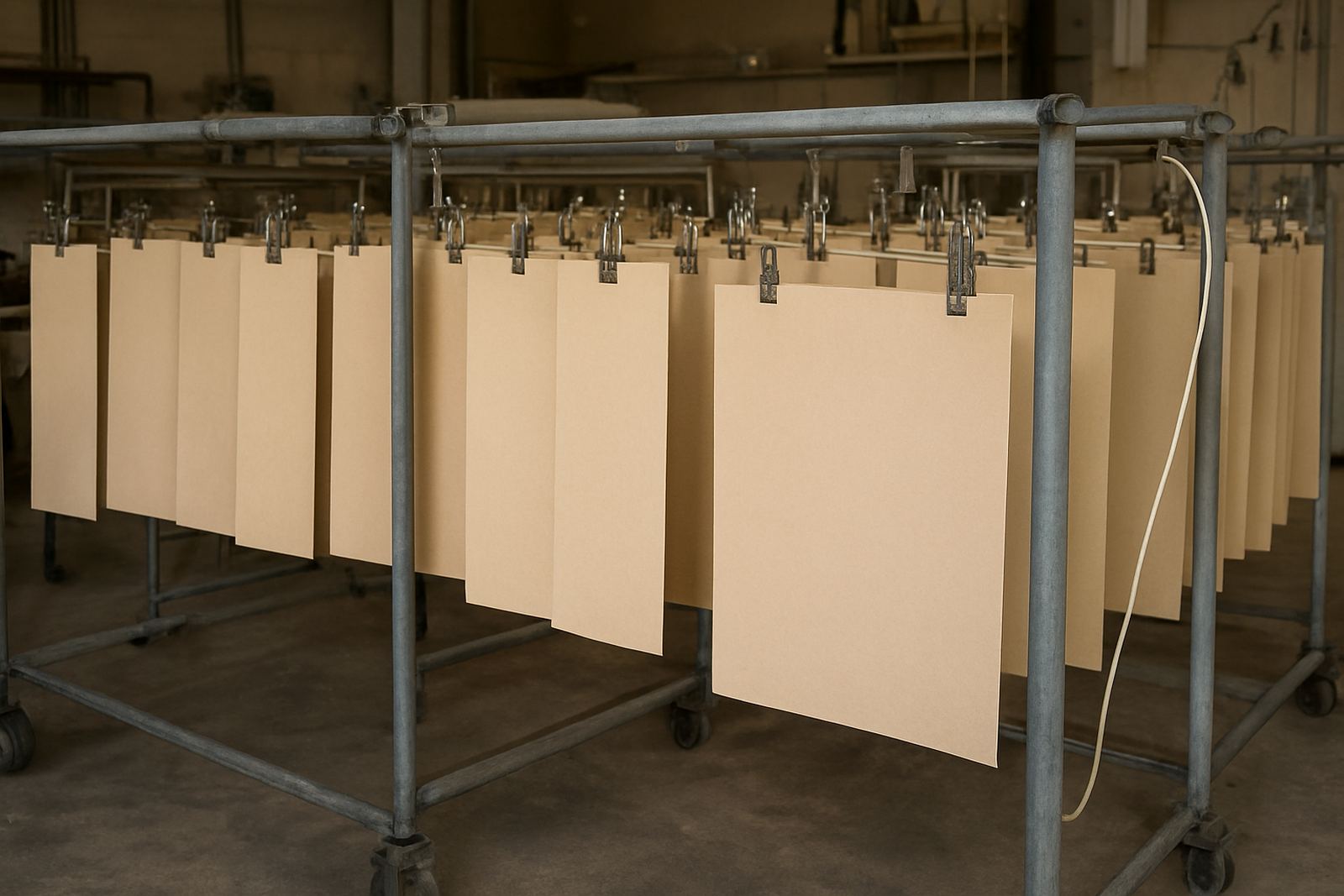
Every trial batch is prepared with the end use in mind. We do not just mix ink and send it out. We assess the substrate, print method, drying or curing method and the performance target before we make the first drawdown or press-ready sample. This helps make sure the batch is useful for press testing rather than being a rough approximation.
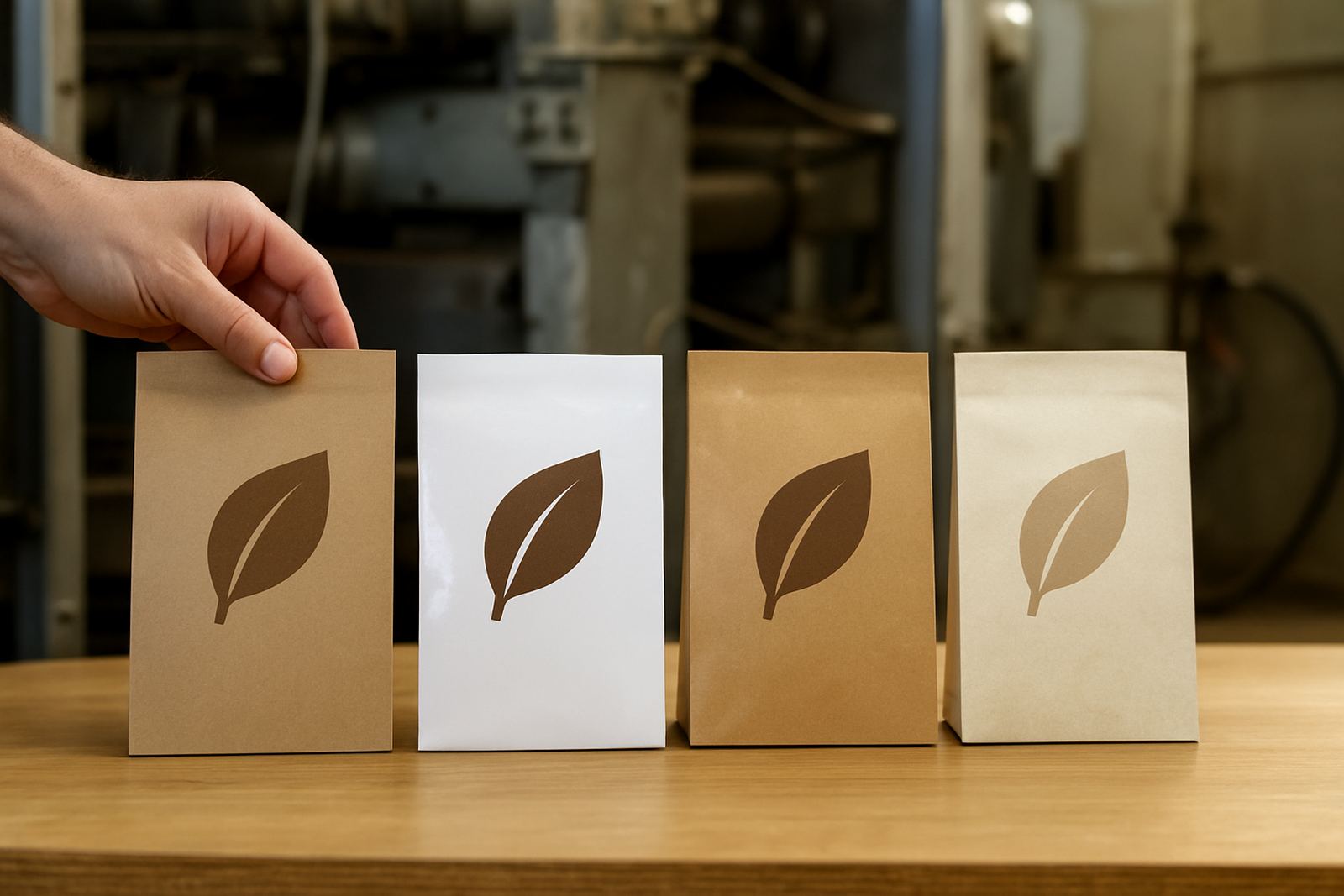
- Colour matching against approved references or pack mock-ups
- Threshold tuning for thermochromic change points, where applicable
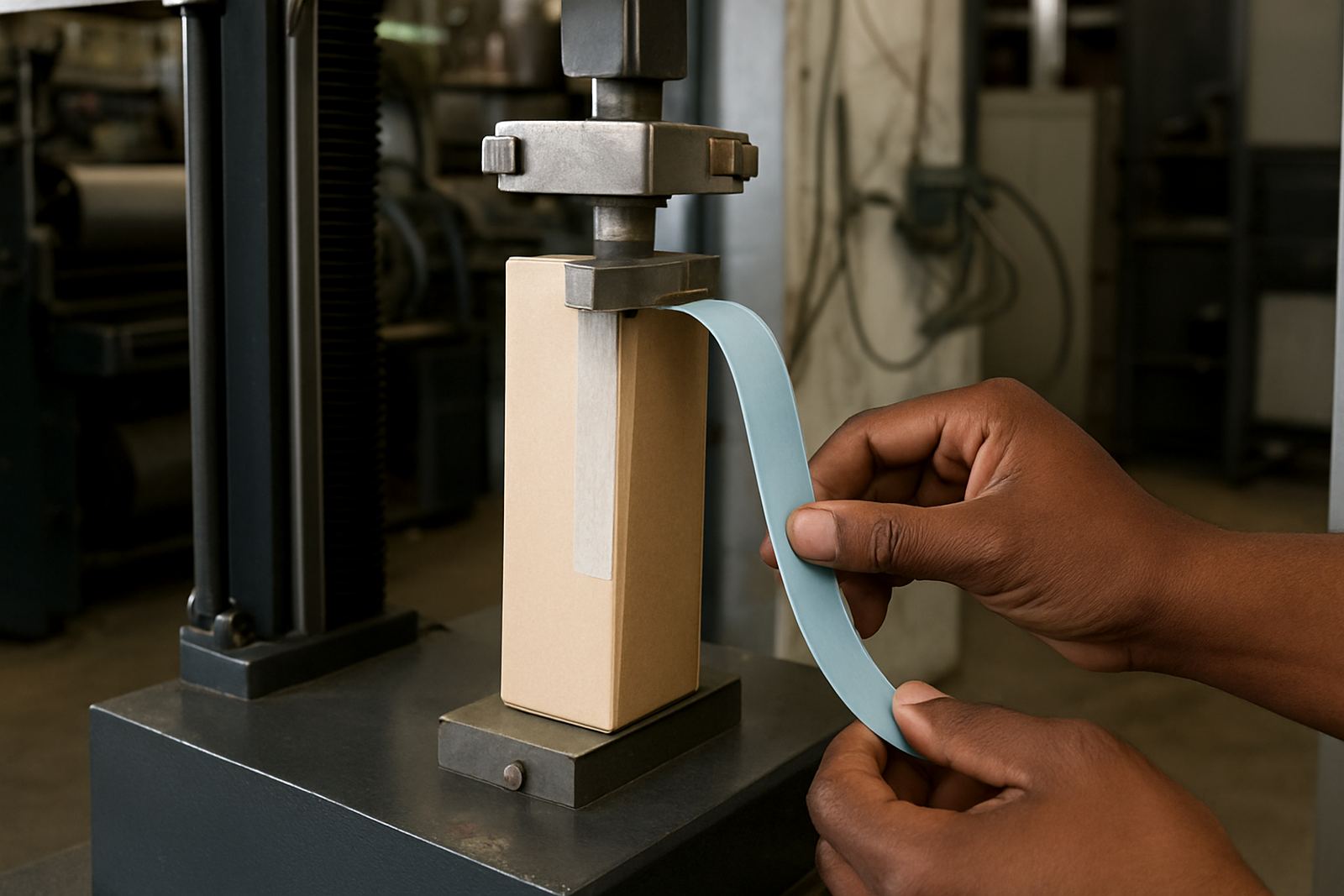
- Adhesion checks for paper, board, film and coated substrates
- Rub resistance checks for handling, stacking and transit
- UV verification setups for security features and inspection trials
- Trial batch making in the volume needed for the planned test run
- Coating compatibility checks where the ink must sit under or over a varnish
- Press startup support for first pass corrections and line set-up
If the job needs a specific finish, we also look at overprint varnish, heat exposure, humidity and drying window. Durban weather can be unforgiving in summer, and coastal moisture changes the way some substrates behave, so that gets factored in from the start. That kind of detail matters, especially for converters working through mixed stock and tight deadlines.
How we handle the trial process
The process starts with your enquiry form submission and a short technical brief. We ask for substrate details, print process, target quantity, storage conditions and any municipal or retail requirements that affect the pack. If the job includes a temperature-sensitive cue, we also need the change point range and the intended product environment, such as cold chain, ambient shelf or chilled display.
From there, our team plans the batch, prepares the formulation and runs the first sample set. Shaun October handles technical sales input, Lindokuhle Dlamini manages production, Nomfundo Khumalo leads the colour lab work and Pieter van Wyk checks any security ink requirements. Jason Pillay coordinates dispatch so the sample reaches your site in good order, whether you are in Jacobs, Johannesburg, Pretoria, Cape Town or Gqeberha.
- Step 1: receive the brief and confirm the application
- Step 2: review substrate, press and drying conditions
- Step 3: prepare the trial formulation and sample set
- Step 4: test colour, adhesion and functional response
- Step 5: adjust the batch if needed and issue the next sample
- Step 6: retain the final reference sample for repeat work
If needed, we can also support a second or third trial revision when the first result needs fine tuning. That is common where the print line, coating or press speed changes from one site to another. Small adjustments now often prevent larger problems later on.
Turnaround times and pricing approach
Most trial batches are turned around within 3 to 7 working days after we have the full technical brief and substrate details. Simpler colour matching requests can be faster, while jobs with security pattern work, threshold tuning or coating compatibility checks may take a little longer. If a pack is urgent, we can prioritise the sequence where production capacity allows.
Pricing is based on the batch size, formulation complexity, testing required and number of sample revisions. We quote for the work that needs to be done, not for a generic package that may include unnecessary extras. For converters, that usually means better control over trial spend and less waste on unused material. We are upfront about costs from the start, so there are no surprises when the batch is ready.
For repeat trial work, we can keep your reference settings on file and use them as the basis for later batches. That is especially useful for annual pack refreshes, seasonal promotions and contracts where the substrate or print specification changes only slightly. The result is faster re-ordering and fewer adjustments at the press.
Maintenance and recheck intervals
Trial batches should not sit on the shelf for months before use. For most converters, we suggest a recheck every 6 to 12 weeks if the sample is being held for approval or internal sign-off, especially in warm or humid storage conditions. In coastal areas like Durban, temperature swings and moisture can affect how a sample behaves, so we recommend keeping it sealed and away from direct sunlight.
If the product is intended for regular repeat production, we can schedule maintenance intervals around your run plan. That may include a fresh drawdown, a new adhesion check or a quick threshold confirmation before the next production push. For security inks, we also advise periodic UV verification so that the inspection result still matches the original setup after storage and handling.
- Store samples in sealed containers at stable room temperature
- Avoid stacking near heat sources, loading bays or unshaded windows
- Recheck after 6 to 12 weeks if the sample is for approval
- Repeat functional checks before any long production run
- Refresh retain samples when substrates, coatings or inks change
Keeping an eye on maintenance intervals helps reduce variation and keeps your approval trail clean. It also gives your team a solid reference when different shifts, machines or operators get involved.
Who uses trial batch making most often
This service is used by packaging converters working on food packs, personal care cartons, promotional sleeves, temperature-sensitive labels and authenticity-focused packaging. It is also useful for businesses that need to prove performance for a new client, a new line or a tender submission. When the pack has to do more than just carry print, a trial batch is the safest place to start.
We work with teams that need clear evidence before approval. That includes brand owners wanting a visible temperature cue, converters needing rub resistance for transit, and production managers who want to avoid line stoppages caused by poor ink behaviour. If a job goes across provinces, our logistics planning keeps the sample chain simple and traceable.
From first test to production handover, the aim is practical certainty. You get a small batch, measured checks and a sample record that supports the next step. For many customers, that is the difference between guessing and going into production with confidence.
Key facts
| Trial batch size | 1 litre to 25 litres, depending on the application |
|---|---|
| Typical turnaround | 3 to 7 working days after full brief receipt |
| Supported substrates | Paper, board, coated stock, film and laminates |
| Checks included | Colour matching, adhesion, rub resistance and UV verification |
| Storage guidance | Seal tightly, keep at stable room temperature, avoid direct sun |
| Service area | Jacobs, Durban and deliveries nationwide to packaging converters |