Brand colour control for packaging runs
Colour matching is where packaging stops looking close enough and starts looking consistent. For branded cartons, labels, sleeves and flexible packs, we match to your approved shade under the right substrate, ink system and print method, so the result holds up from one production lot to the next. Our team works with standard process colours, spot colours and custom thermochromic effects, including temperature activated shifts that must still sit inside the brand palette.
At our Jacobs base in Durban, Sibusiso Mthembu and the team handle matching for converters supplying food, personal care, household goods and promotional packaging. We also factor in South African production realities such as high humidity on the coast, temperature swings in transport, and the need for inks that stay stable during load shedding interruptions and restart cycles. The aim is not just a good swatch, but a repeatable finish that prints cleanly on your actual line.
- Matches for paperboard, corrugated, film and coated packaging stocks
- Support for standard colours, low opacity shades and thermochromic change points
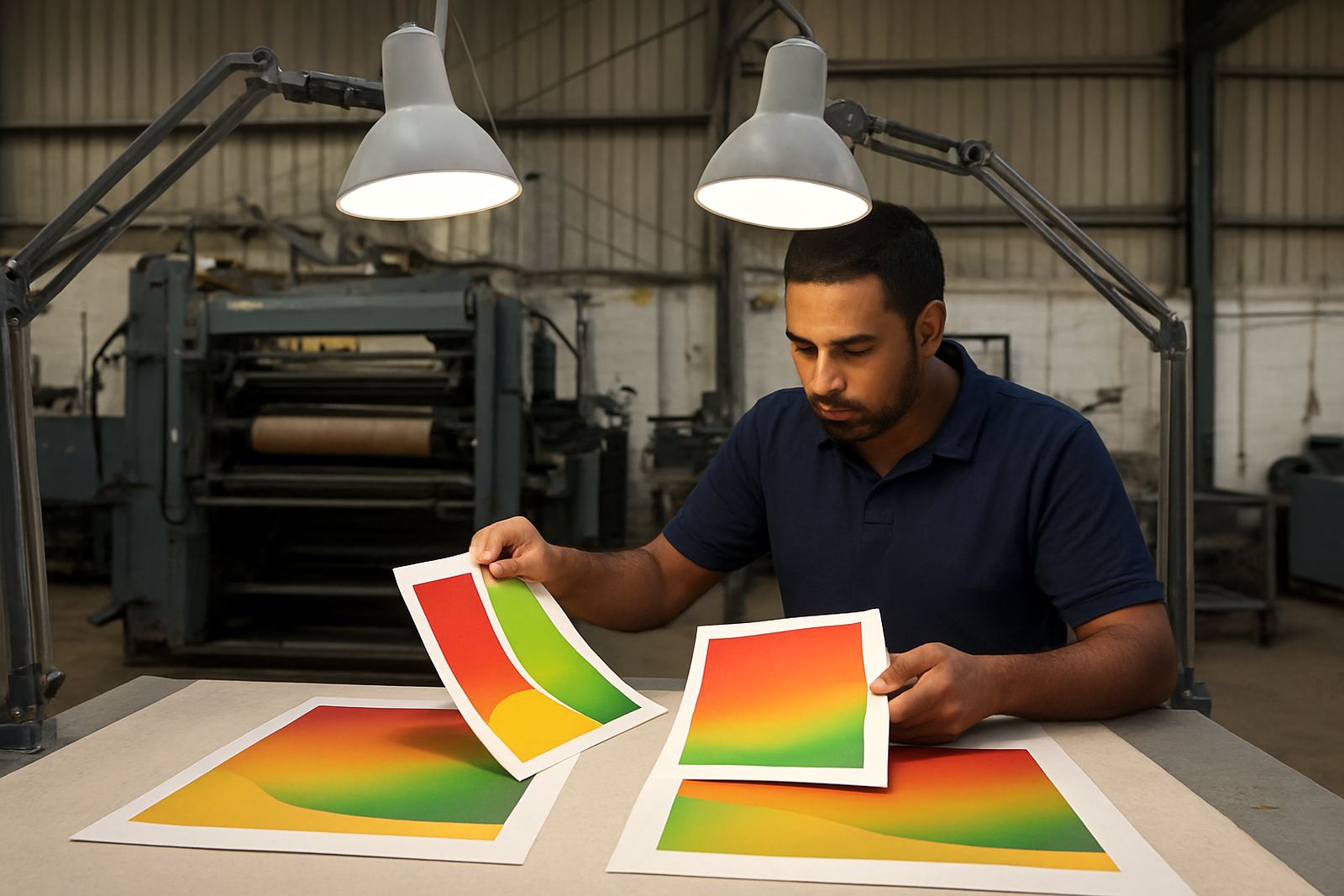
- Checks for visual match under daylight and controlled viewing conditions
- Practical adjustments for press speed, drying and surface energy
What is included in a matching job
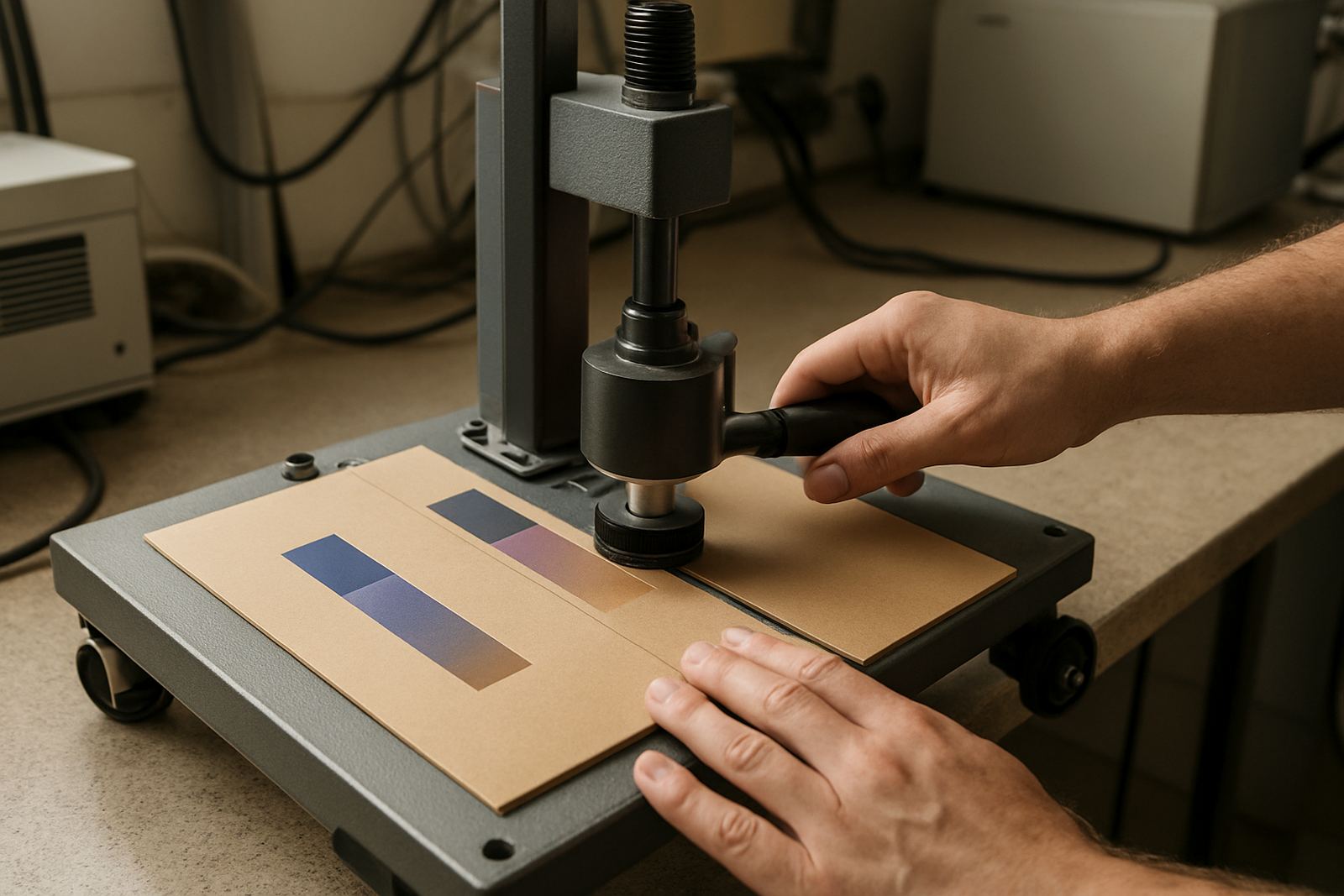
A colour matching request usually starts with your target sample, artwork specification or previous production reference. From there we prepare drawdowns, adjust pigment load and tune the threshold if the formula includes a colour change effect. Shaun October and Nomfundo Khumalo work through the shade build, while Lindokuhle Dlamini checks how the ink behaves in production terms, not just on paper. We also keep an eye on adhesion and rub resistance, because a beautiful shade that wipes off in packing is no help at all.
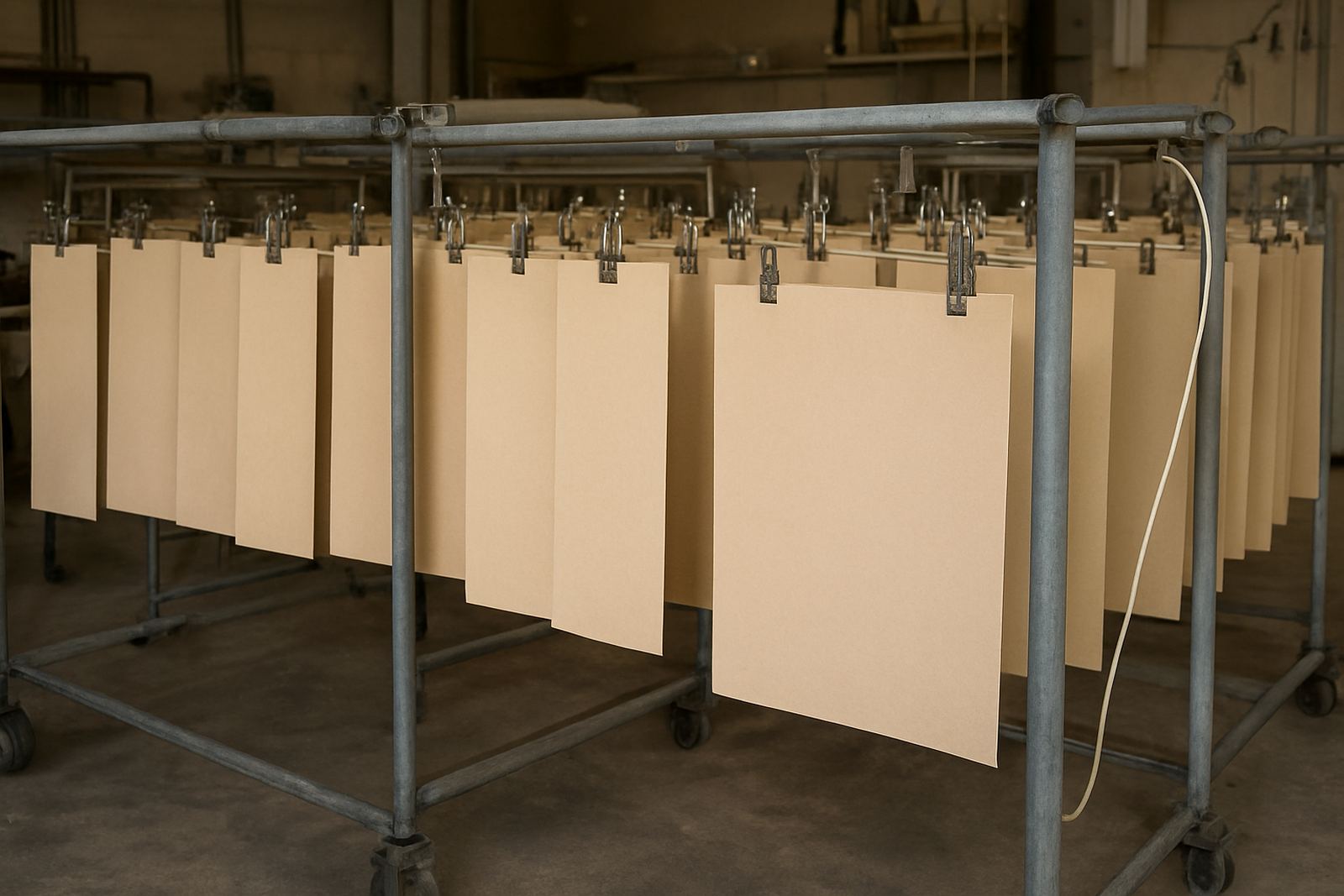
The service includes a full review of the print conditions and any known packaging constraints. If your pack needs varnish, overprint, heat sealing or further converting, we check compatibility early. That saves time and reduces the number of repeated test pulls. We can also prepare a retain sample record so future reorders have a reference point, which helps when a long-running product picks up slight batch drift over time.
- Initial shade review and formula planning
- Drawdown panels for visual approval
- Threshold tuning for thermochromic inks
- Adhesion and rub resistance checks
- Batch retain sample recording for repeat orders
How the matching process works
The process is straightforward and built for busy production teams. First, we take in the colour target and any technical notes, such as substrate type, drying method, coating stack and whether the pack will be used in cold chain or ambient storage. Next, our colour lab prepares test panels and compares them against the target under controlled conditions. If needed, Pieter van Wyk will also check whether security elements need to sit alongside the matched colour without affecting legibility.
Once the first drawdown is approved, we prepare a trial batch and run it through the intended print environment where possible. Jason Pillay coordinates the logistics for nationwide supply, so once a match is signed off we can dispatch to Johannesburg, Pretoria, Cape Town, Gqeberha, Pinetown or anywhere else the converter needs stock. If the first trial shows a slight drift, we adjust and retest. That loop is usually quicker than trying to force a press to chase the wrong formula later.
- Step 1: sample intake and technical review
- Step 2: lab drawdowns and threshold setting
- Step 3: trial batch making and print checks
- Step 4: approval, retain filing and supply release
Turnaround times and production support
Turnaround depends on the complexity of the match, the substrate and whether a thermochromic transition point needs to be tuned as well. Standard colour matching requests are usually turned around within 3 to 7 working days once we have the target sample and production notes. More complex jobs, especially those that combine security patterns, multiple layers or unusual coating compatibility, can take longer. We are upfront about that from the start so planning stays practical.
If you are facing a press start-up and the colour is still not right, we can assist with on-site or remote production troubleshooting. That includes checking ink laydown, drying, viscosity, surface treatment and the effect of humidity, which matters more than people think on a Durban morning. For converters working to tight window, we can prioritise urgent samples where the line is ready and the paperwork is in order. It is not magic, but it does keep the schedule from slipping too far.
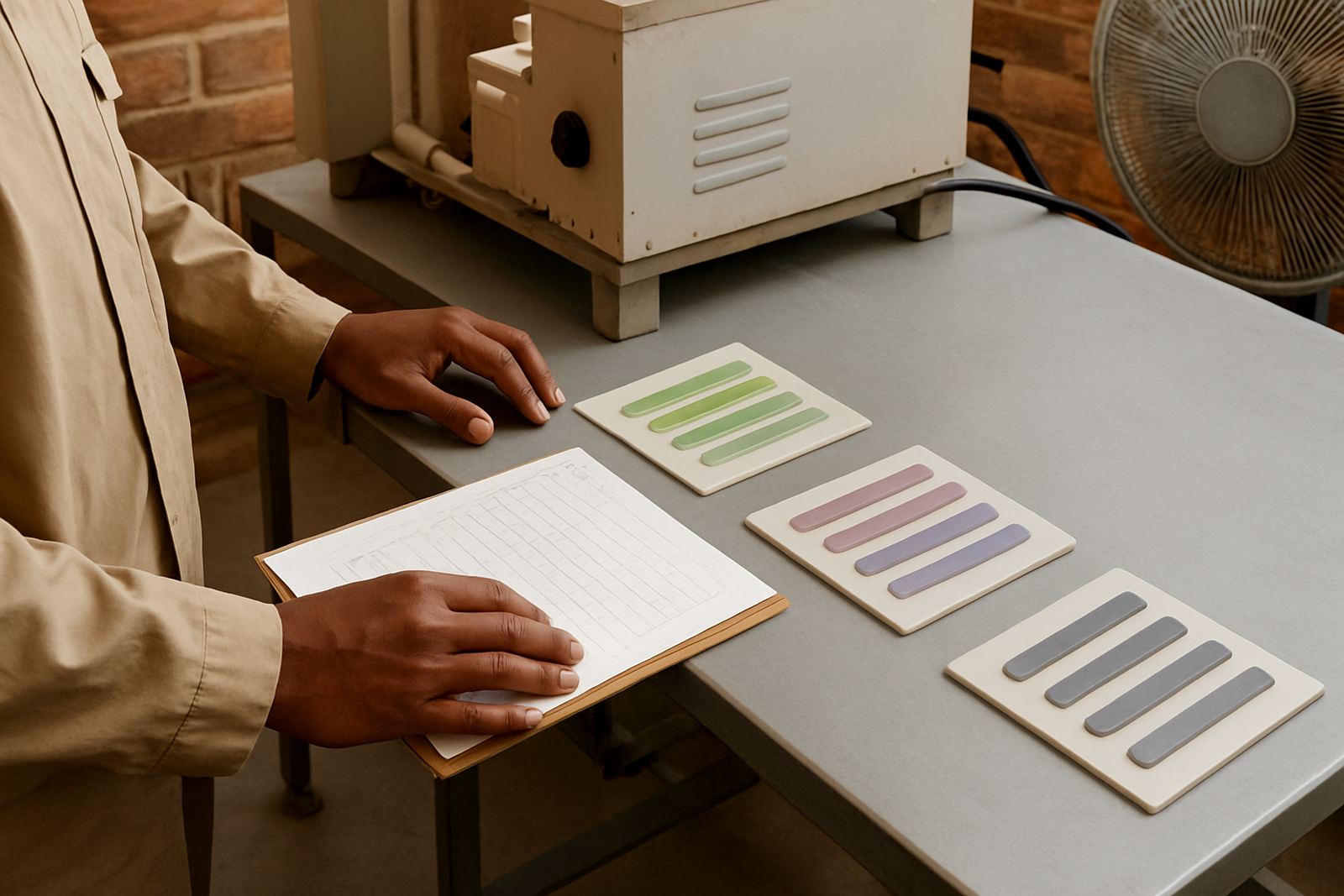
For repeat orders, the retained batch record helps shorten turnaround because we do not start from zero. The lab can compare the old sample with the new stock and confirm whether the match still sits within tolerance before release.
Pricing approach that fits packaging volumes
Pricing is based on the work required, not on a one-size-fits-all rate. A simple re-match from an approved reference is priced differently from a new custom thermochromic effect that needs threshold tuning, multiple trials and extra verification. If the job includes compatibility testing, security integration or press support, that is built into the quote so you know what is covered. We keep the structure clear because packaging teams need to compare costs against line time, waste and the risk of rework.
For larger converters and recurring production programmes, we can structure pricing around batch size, repeat frequency and the number of SKUs involved. That makes it easier to budget for seasonal packaging changes or long-run products that need the same colour month after month. We do not pad for the sake of it. The aim is to match the technical effort to the actual production need, then keep the paperwork clean for your purchasing team.
- Quoted per job based on complexity and volume
- Repeat matching can be priced on a retained formula basis
- Trial batches, testing and press support quoted separately if required
- Delivery arranged nationwide from Jacobs, Durban
Maintenance intervals for stable repeat colours
Packaging colours should be checked on a schedule, not only when someone notices a shift. For stable repeat production, we suggest a review every 6 to 12 months, depending on how often the product runs and whether the pack sits in hot storage or humid coastal conditions. If the formula includes thermochromic behaviour, the threshold should be reviewed whenever the pack design, substrate or overprint structure changes. A slight change in coating or drying can move the result enough to matter.
We also recommend a check after any major press adjustment, new substrate approval or packaging redesign. If you are storing retain samples properly, in a cool dry area away from direct sun, that makes the review much more useful. Nomfundo Khumalo uses the batch library to compare older and newer results, while Lindokuhle can advise when the ink itself is fine but the line conditions are creating variation. Small controls now prevent bigger complaints later.
- Review every 6 to 12 months for repeat packaging programmes
- Check after substrate changes, coating changes or line changes
- Keep retain samples in a cool dry area, away from direct sun
- Recheck thermochromic thresholds when pack construction changes
Key facts
| Colour matching formats | Spot colours, process colours, custom thermochromic shades |
|---|---|
| Substrates | Paperboard, corrugated board, coated stock, film and selected packaging laminates |
| Testing options | Drawdowns, adhesion checks, rub resistance checks and UV verification setups |
| Typical turnaround | 3 to 7 working days for standard matching, longer for complex jobs |
| Supply areas | Jacobs, Durban South, Pinetown, Prospecton, Cape Town, Gqeberha, Johannesburg and Pretoria |
| Quality controls | Batch retain library, threshold tuning, coating compatibility and press startup support |