What UV verification setups cover on a packaging line
UV verification is about getting the right hidden feature to show up clearly under the right light, without affecting the look of the pack under normal viewing. We configure covert marks for cartons, labels, sleeves and flexible packs used in South African distribution, from chilled foods in Durban humidity to sealed goods moving through inland warehouses where dust and handling are common.
Our support covers the print side and the inspection side. That means the ink response, the lamp wavelength, the viewing angle, line speed and the way staff are trained to confirm the feature. For many clients the biggest issue is not the ink itself, but a setup that works in the lab and then drops out on press or at packing stations. We sort that out before volumes start.
Included in the setup and commissioning work
Each setup is matched to the packaging substrate, the press method and the type of check your team uses. We work with converters in Jacobs, Prospecton, Pinetown, Cape Town, Gqeberha, Johannesburg and Pretoria, with delivery support nationwide.
- Covert UV feature selection and print placement guidance
- Threshold tuning so the response is visible under controlled UV and quiet in normal light
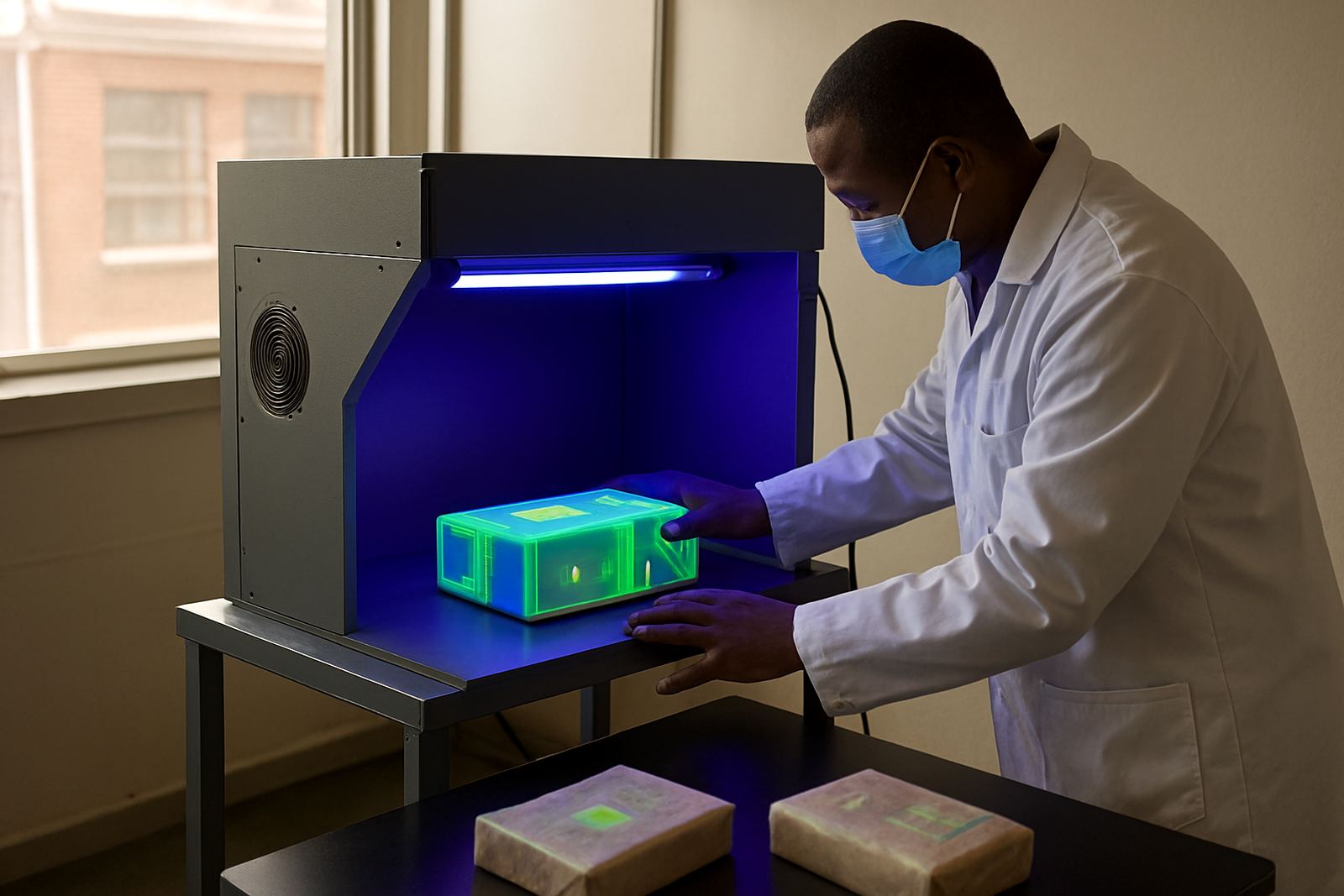
- UV lamp suitability checks, including wavelength matching and viewing distance
- Inspection station layout guidance for hand check or inline check points
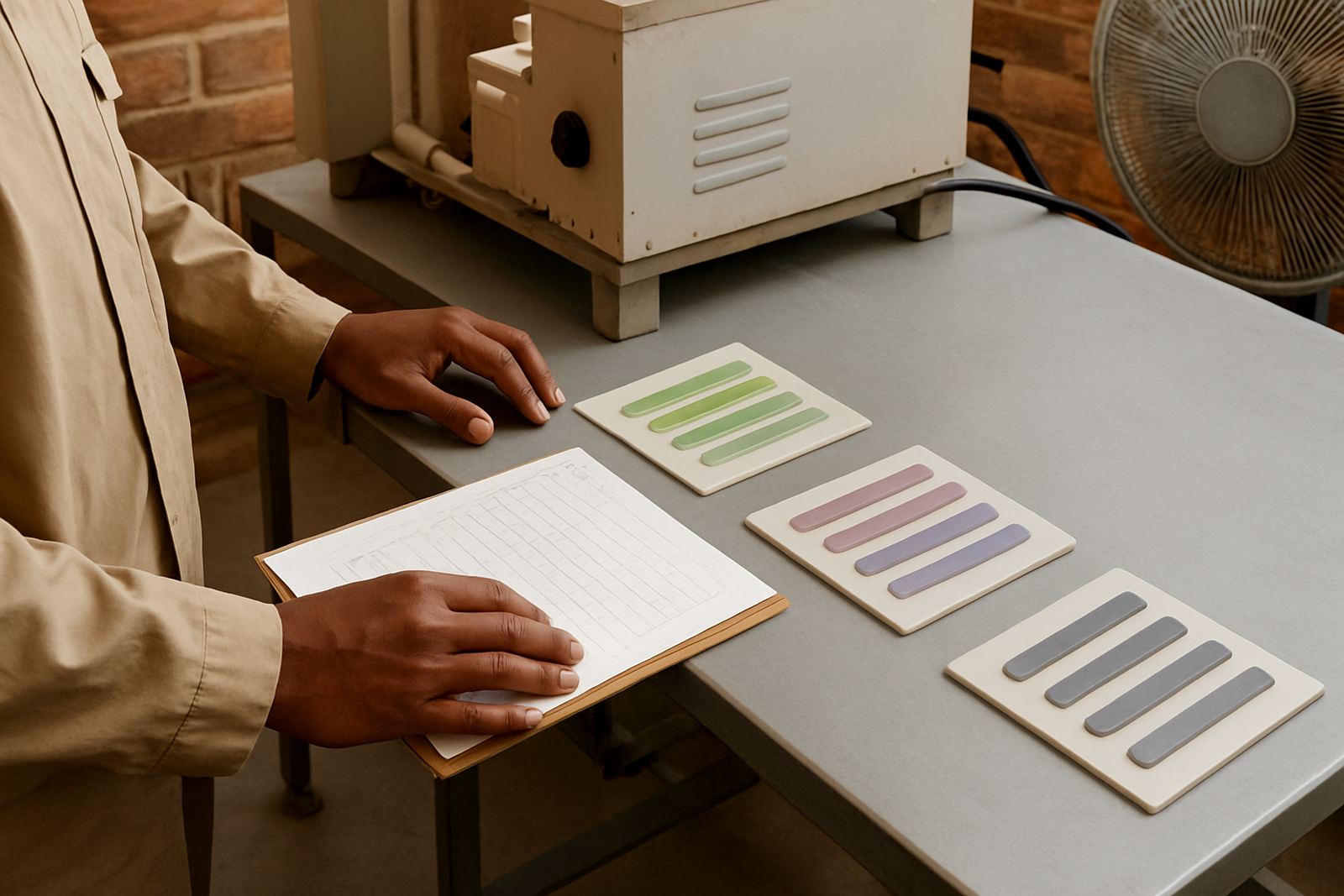
- Trial panels and sample packs for operator sign-off
- Batch retain samples for future comparison and dispute resolution
We also advise on coating compatibility, since some varnishes and laminates can dull the response or shift the apparent brightness. If a pack uses an overcoat, foil, or high slip finish, we test that before release. It saves time on the line and avoids rework later.
How we set up the verification method
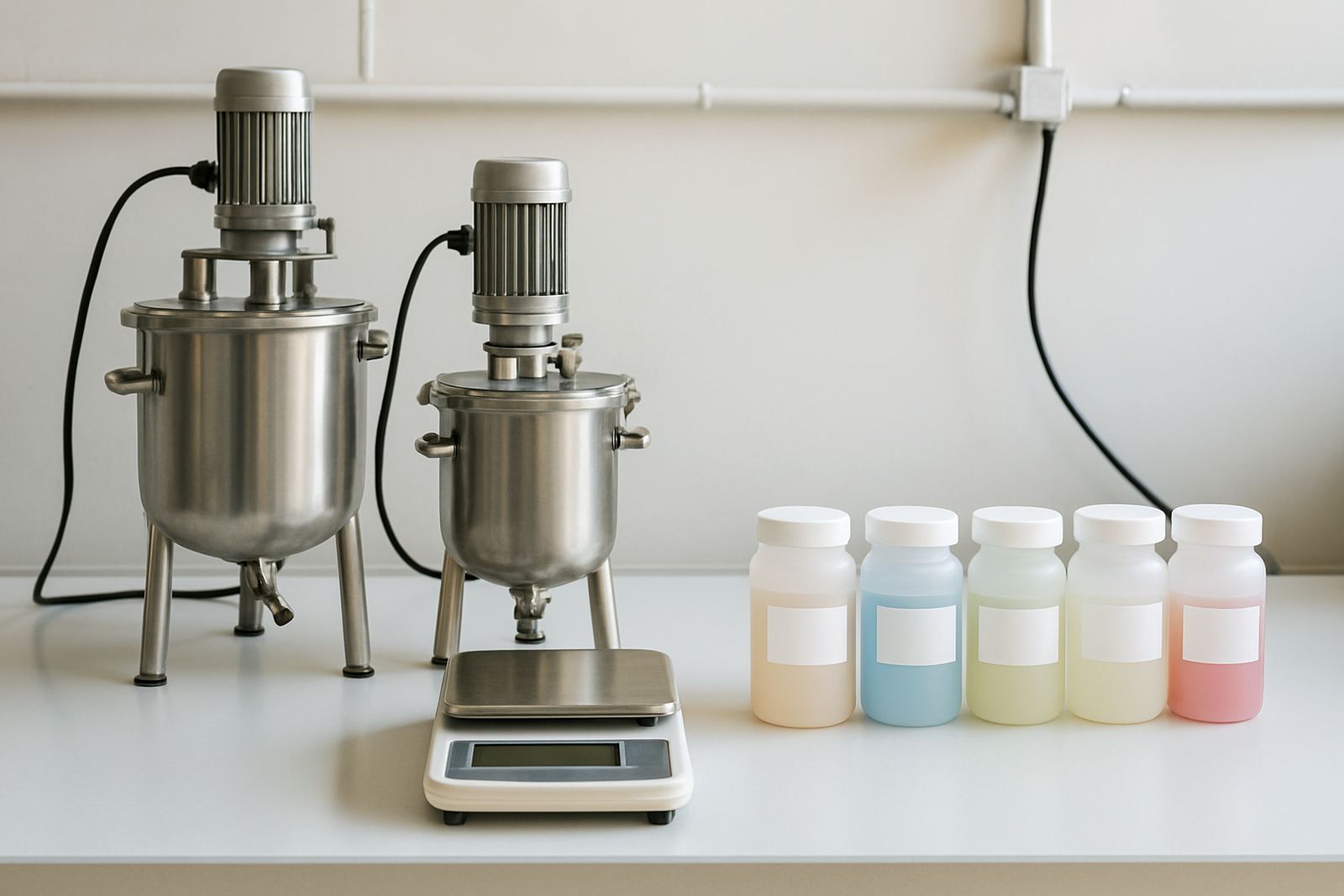
The process starts with your artwork, substrate and security goal. Some clients want a simple pass or fail cue, others need a more detailed covert pattern for internal control, export cartons or temperature-sensitive stock. We then build a trial batch and check how the feature behaves during print, curing and pack handling.
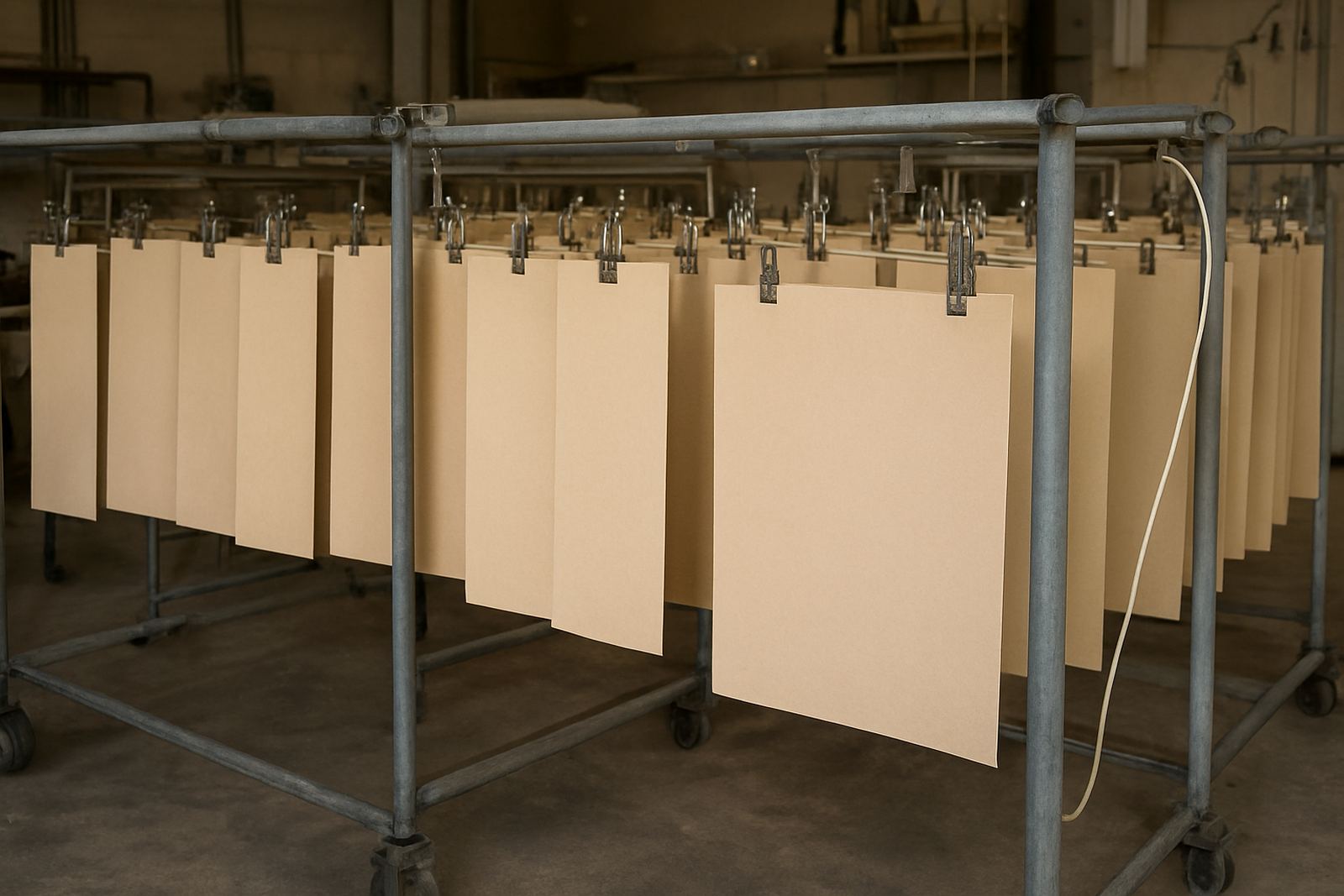
Typical steps include drawdown panels, press startup support and UV verification setup at the press or in the packing area. We check the feature under different ambient conditions, because bright factory lighting in Johannesburg is not the same as a dim store room in a coastal depot with load-shedding backups running. If needed, we adjust the viewing method so the cue stays consistent.
- Artwork and security brief review
- Substrate and coating test selection
- Trial batch making and UV response check
- Operator viewing practice and pass criteria
- Final sign-off with retain sample capture
Turnaround times and what affects them
For straightforward verification setups on familiar substrates, initial guidance can often be turned around within 3 to 5 working days after we receive the sample, artwork and print details. More complex work, such as multi-layer packs, unusual coatings or security patterns with tighter visual thresholds, usually needs additional trialing.
Factory timing depends on whether we need press access, sample transport or a site visit. Durban and nearby areas can often be handled quickly through Jacobs and Prospecton. National jobs are scheduled around courier lead times and production windows, especially where converters are working around month-end demand or export loading dates. If there is urgency, we plan the most useful test first rather than trying to do everything in one go.
Pricing approach for UV verification support
Pricing is quoted to the scope of work, not as a one-size-fits-all rate. A simple setup for a single carton line is priced differently from a project that needs security pattern design, multiple trial batches and on-site operator training. We keep the pricing practical and itemised so you can see what is tied to materials, what is tied to testing and what is tied to field support.
For converters, brand owners and packaging teams, the cost normally depends on the number of substrates, the number of verification points, the level of covert detail and whether any repeat visits are needed. Where useful, we quote separately for trial materials, technical checks and ongoing maintenance reviews. That makes budgeting easier when volumes move between short runs and full production.
Keeping the system reliable after launch
UV verification is not a once-off exercise. Lamps age, operators change, and packaging material batches can shift over time. We recommend routine checks every 3 to 6 months for active lines, and sooner if you change film, board, coating or print speed. Sites with high dust, coastal moisture or frequent power interruptions should review the setup more often.
Our maintenance support includes repeat threshold checks, retain sample comparison, and quick troubleshooting if the feature looks weak or uneven. If the line has been idle, we can help with restart checks and fresh inspection practice before production resumes. That keeps the covert feature useful without slowing the pack floor.
Key facts
| Service focus | Covert UV security feature setup and inspection practice for packaging |
|---|---|
| Typical substrates | Cartons, labels, sleeves, laminated packs and flexible packaging |
| Common UV check range | 365 nm to 395 nm, selected to suit the ink system and viewing method |
| Turnaround | 3 to 5 working days for standard setups, longer for complex trials |
| Maintenance interval | Every 3 to 6 months, or after substrate or coating changes |
| Base and reach | Jacobs, Durban with deliveries and support to converters nationwide |