What the Paarl packhouse needed from the seal programme
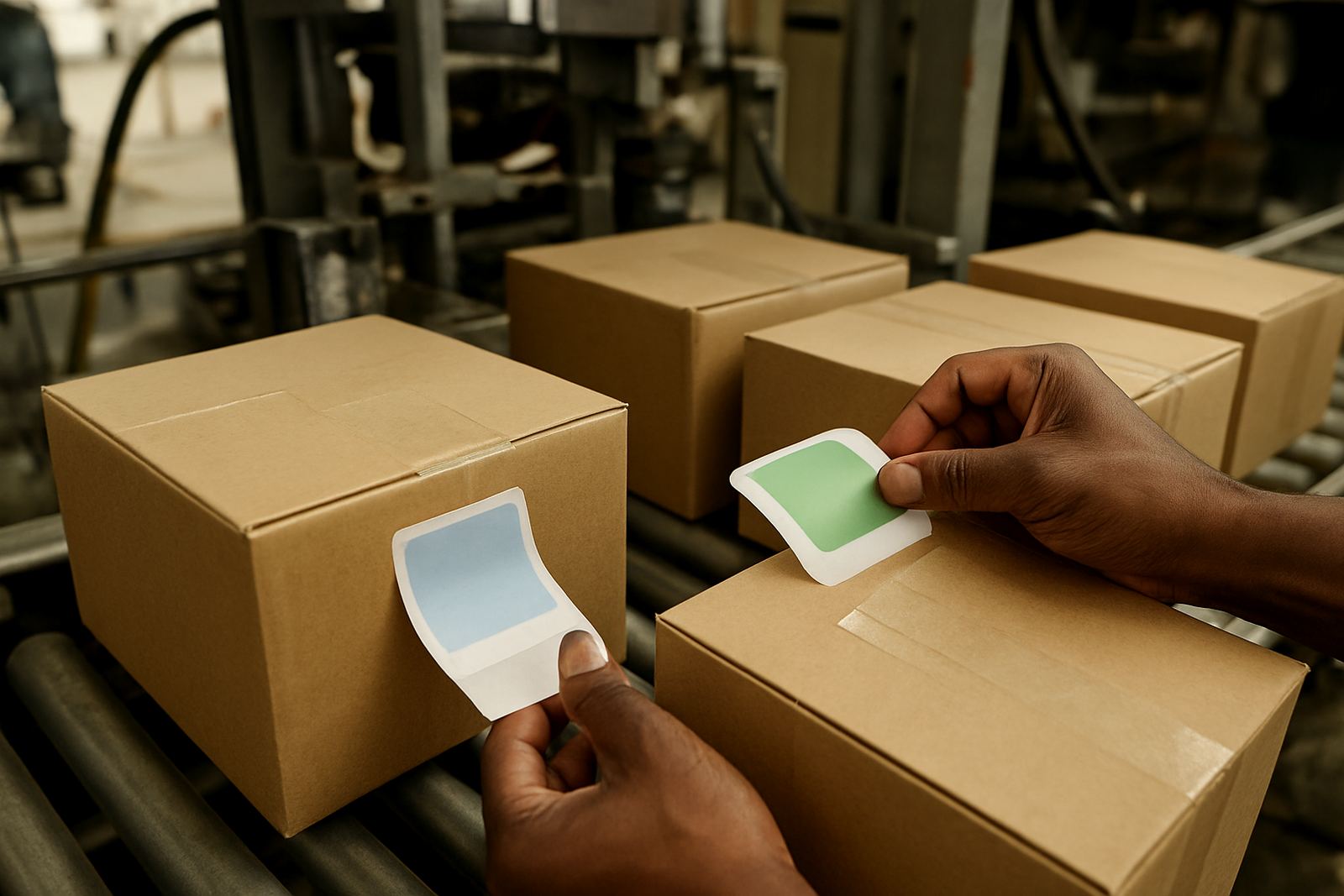
The customer was a security-sensitive packaging operation in Paarl working across retail and export lines, with product moving through warehouses, cold storage and distribution runs into the Western Cape and inland. They needed a printed seal that made tampering easier to spot at first glance, while still looking tidy on shelf and surviving normal packhouse handling.
The main concern was that simple visual inspection was not enough. The team wanted a tamper seal that showed if a closure had been lifted, warmed or reworked, with a clear change in colour and a defined break line. In practical terms that meant testing for ink response, bond strength and how the mark behaved on the actual film and label stock used at speed.
- Application area: closure seals, carton flaps and security labels
- Issue being solved: unclear opening evidence after transit and repacking
- Operating conditions: warm loading bays, cold rooms, coastal humidity and frequent hand contact
- Target outcome: visible tamper indication without slowing line speed
Our brief, constraints and test plan
The brief came through the enquiry form and was handled by our Durban base, with Shaun October and Nomfundo Khumalo leading the technical side. The customer wanted a seal system that could be tuned for a specific activation temperature and still print cleanly on coated and uncoated areas. Because the packs moved through different temperature zones, the ink had to respond consistently without false triggers.
We also had to work within the realities of South African production. Power interruptions can affect line changeovers, and packaging converters need something that can be checked quickly after a restart. The seal had to remain legible after storage, rub handling and pallet movement, and it had to fit the client's existing application method without new machinery.
- Substrate checks for coated film, carton board and pressure-sensitive label stock
- Threshold tuning to suit ambient handling and cold-chain movement
- Adhesion tests on the actual pack material, not just sample sheets
- Rub resistance checks after 24 hours, then again after 72 hours
How we set up the seal inks and controls
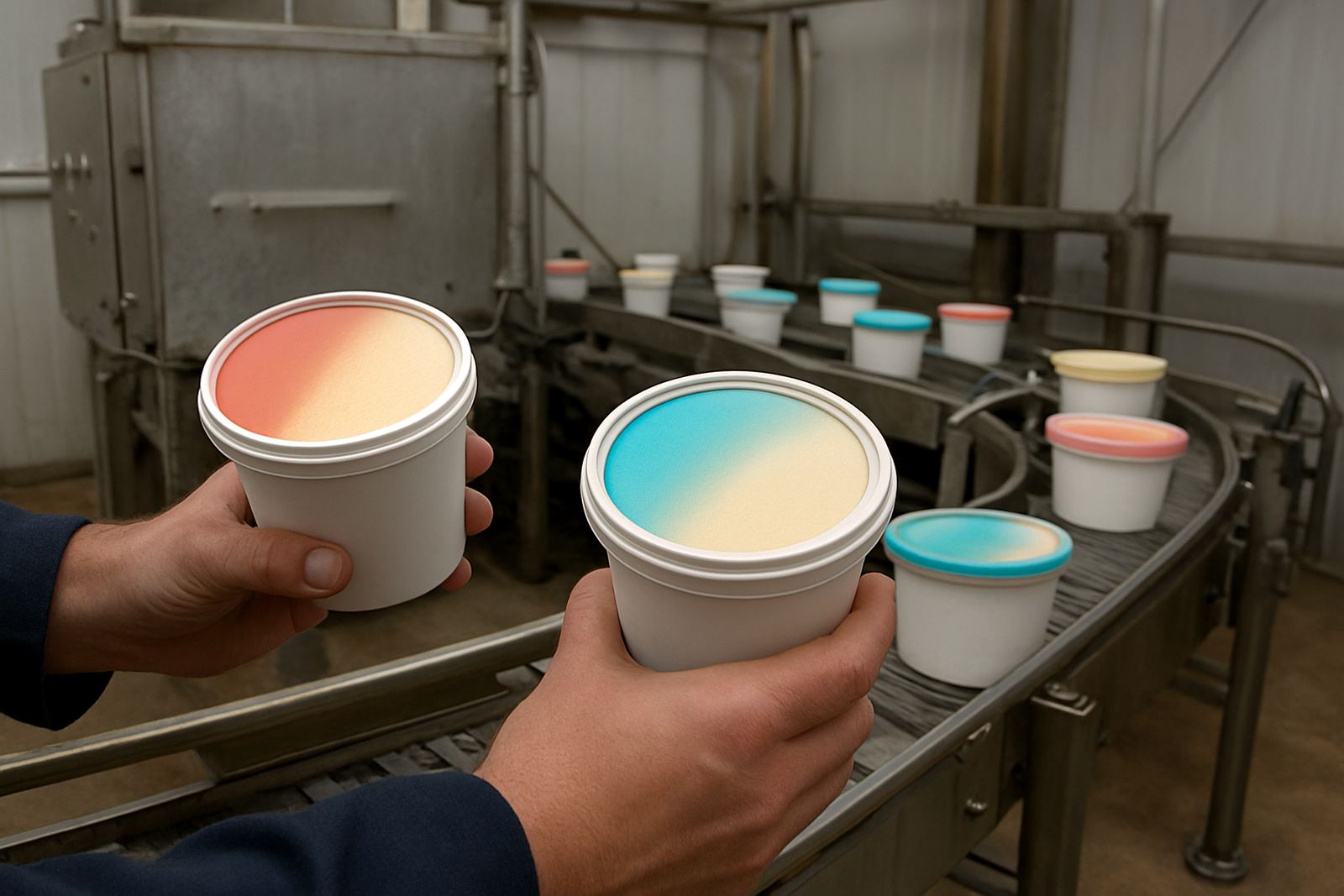
Lindokuhle Dlamini ran production planning while Pieter van Wyk specified the security pattern structure. We prepared a tamper-seal ink set with a colour-change cue at the agreed trigger point, plus a secondary security pattern that made copying harder. The final system was built around two visual actions: a clear colour shift and a broken pattern that would show if the seal had been lifted or moved.
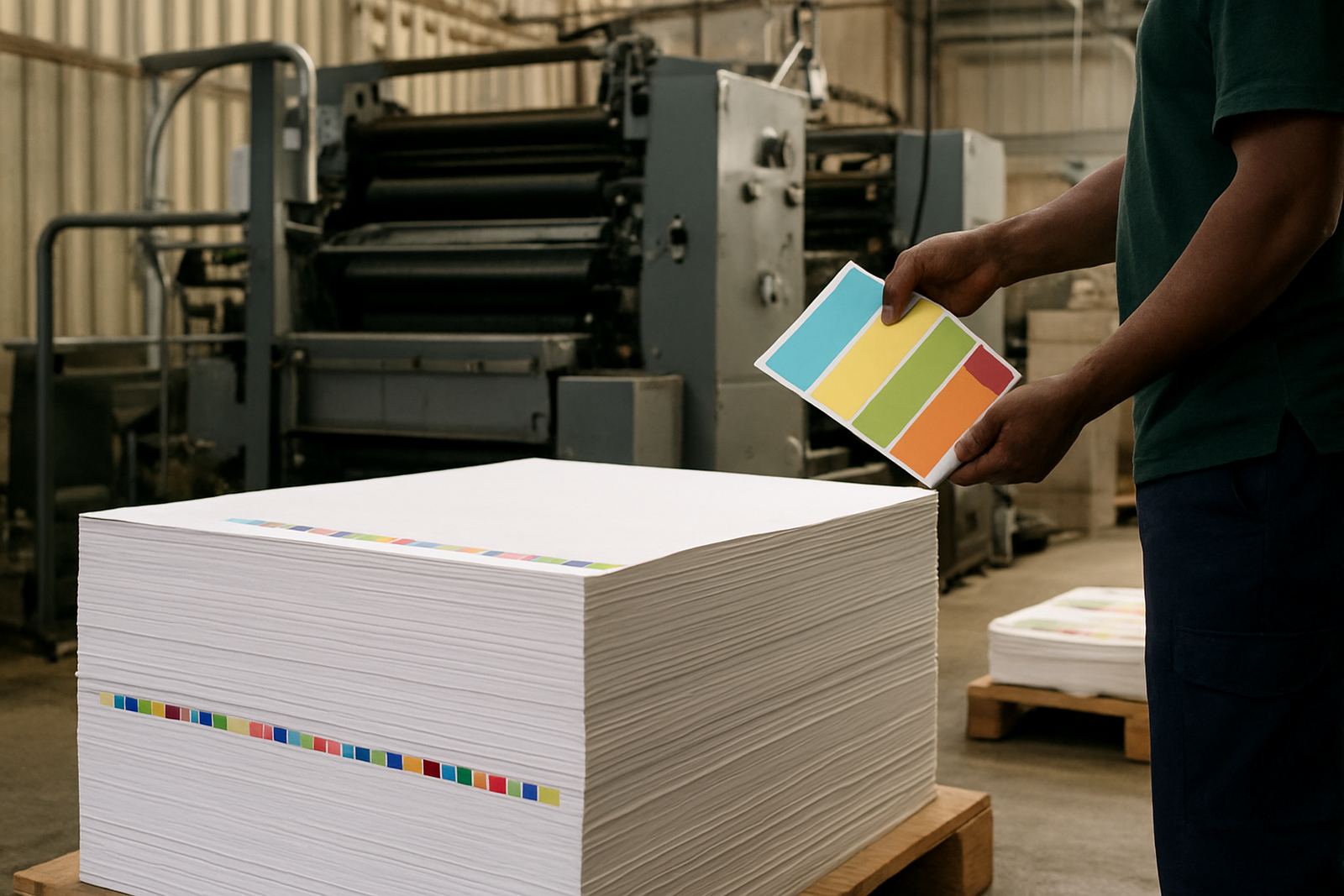
We produced drawdown panels and then moved to trial batch making. That let the customer see how the seal behaved on their actual pack format before committing to full production. Jason Pillay organised the delivery schedule so the trial material reached Paarl in time for a press start-up slot, without disrupting the site's normal shift plan.
- Colour-change window tuned for handling rather than storage temperatures
- Security pattern design matched to the pack size and flap layout
- Trial batch supplied in small lots for line testing
- Batch retain samples kept for future comparison and complaint handling
Timeline from first sample to sign-off
The programme ran over four weeks. Week one covered briefing, substrate review and initial threshold setting. Week two focused on drawdown panels and adhesion screening. In week three we supplied the trial batch and attended press startup support on site by the pack line. Week four was used for rub checks, visual review and final tweaks to the colour point. It was not a rushed job, but it moved at a pace the client could manage without stopping production.
By the end of the fourth week, the seal layout and ink response were signed off for regular use. The team appreciated that we kept the change list tight, because every extra adjustment adds time and cost. A short cycle also made it easier to get buy-in from operators who needed to see the seal working under real conditions, not in ideal lab lighting.
- Week 1: brief, site conditions review, target trigger set
- Week 2: drawdowns, adhesion, rub and compatibility tests
- Week 3: trial batch and press startup support
- Week 4: final tuning and production approval
Results on the line and in the warehouse
The result was a seal that gave clearer opening evidence and faster visual checks at receiving. Staff could spot a compromised pack more quickly, and the colour shift helped when packs were handled in mixed lighting, from warehouse aisles to loading bays. The customer also reported fewer disputes over whether a pack had been opened before dispatch, which is often where tamper controls prove their worth.
From a production point of view, the seal ran cleanly at line speed and did not cause extra stoppages. The ink held up under normal rub handling and remained readable after stacking. In a humidity-heavy environment, that matters, especially when cartons sit in transit for a few days and are then moved into cooler stores. The system was not only about security, it also improved confidence through the supply chain.
- Clearer tamper evidence at intake and dispatch
- Less debate over whether a pack had been reworked
- Stable print performance through handling and storage
- Good visual contrast on busy pack artwork
What we would do again for another Paarl site
If we were repeating this for another Paarl operation, we would start with the real substrate and the real line conditions, not a generic sample. That means checking the pack material, the heat in the loading bay, the cold-room cycle and the way operators fold or seal the pack. Those details shape the final result more than any brochure spec ever will.
We would also keep the batch retain library active from day one, so if a pack format changes later there is a clean reference to compare against. For businesses that move product across the Western Cape, and sometimes into Gauteng or the coast, that record becomes useful fast. Small changes in coating, print position or sealing pressure can affect tamper performance, so it pays to keep the control points simple and the checks regular.
- Start with substrate and temperature checks before full run approval
- Keep security pattern geometry tight, with no unnecessary clutter
- Retain approved samples from each batch for follow-up reviews
- Plan for seasonal humidity and load-shedding related restart checks
Key facts
| Project type | Tamper seal ink programme for security-sensitive packaging |
|---|---|
| Location | Paarl, Western Cape |
| Lead time | 4 weeks from brief to sign-off |
| Ink features | Colour-change cue and security pattern support |
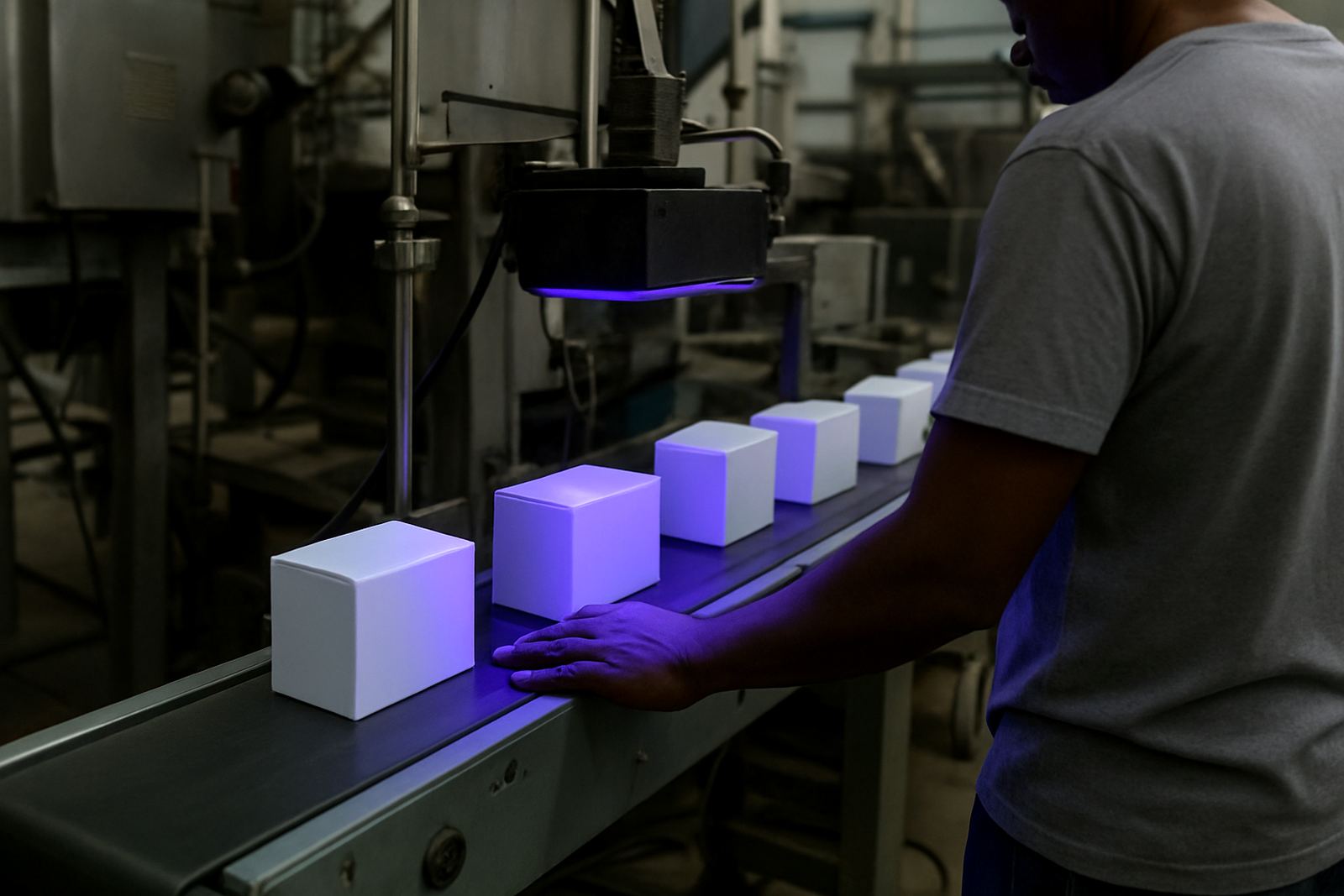
| Tests completed | Adhesion, rub resistance, threshold tuning, UV verification setup |
| Support supplied | Drawdown panels, trial batch making, press startup support, batch retain library |