Westville brief: secure cartons that still run cleanly
The client was a packaging converter handling cartons for a regulated healthcare brand in Westville, Durban, with finished packs moving into controlled distribution channels. Their concern was not only appearance, but proof of authenticity at receiving, picking and returns stage, where a quick visual check can save time and reduce disputes.
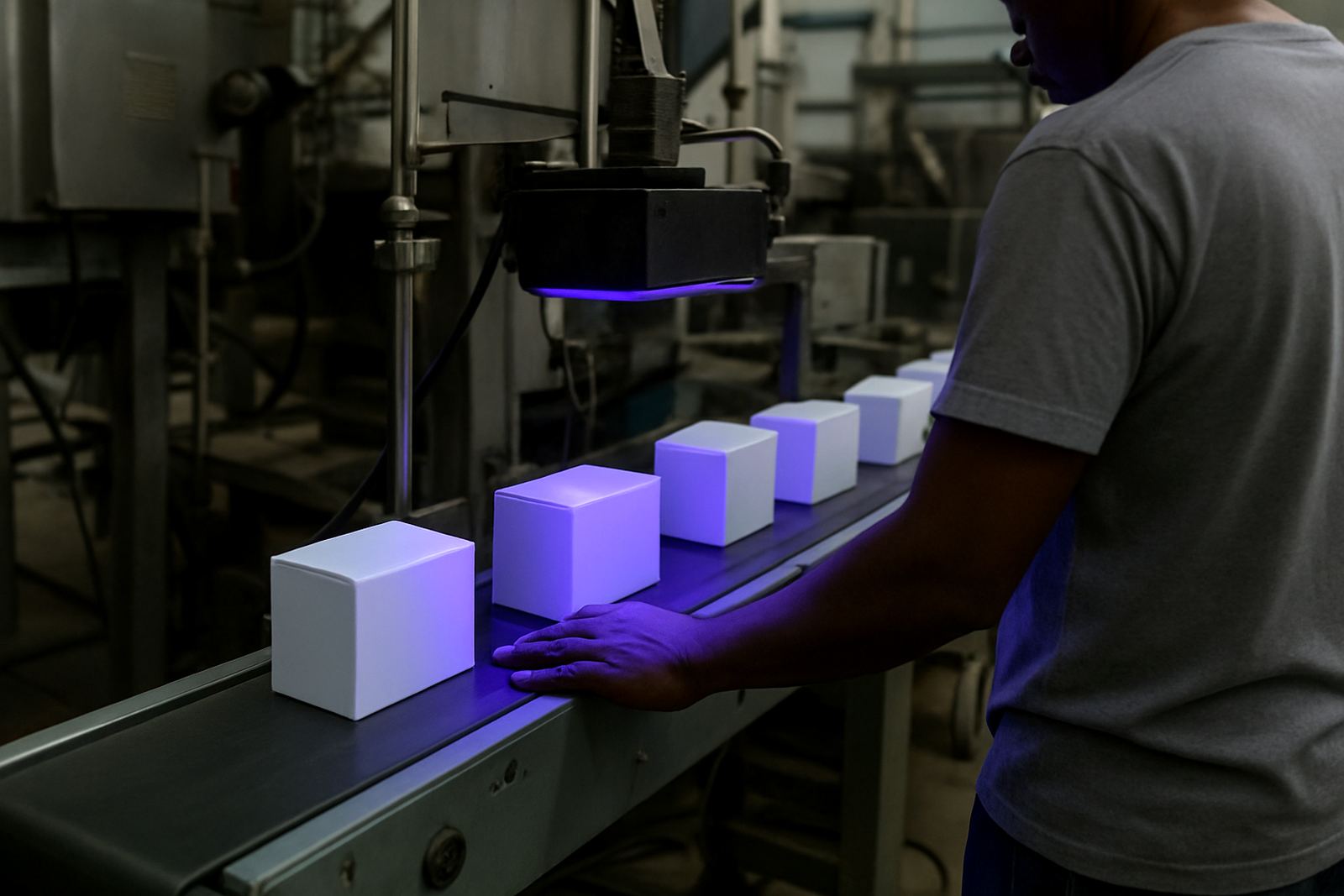
The pack needed a covert UV cue that would sit quietly on shelf, yet give a clear response under verification lamps. The carton board was medium to heavy weight and had to accept print cleanly without scuffing during folding, gluing and packing. Because the cartons were used in steady-volume production, the client also wanted a solution that would not slow down the line or force extra passes.
- Project type: security carton print for pharma distribution
- Town: Westville, Durban
- Base stock: coated carton board with folding and gluing after print
- Verification method: covert UV check at dispatch and receiving
Print constraints on coated board and in coastal weather
Durban’s coastal humidity can change drying behaviour, especially on coated boards that already carry a tight surface. We had to balance adhesion, rub resistance and cure, while keeping the UV response strong enough for spot verification. The converter also asked us to work around regular load-shedding windows, so the print plan had to be practical and repeatable.
There was another constraint: the carton had to hold its register across a production run, with no visible colour drift from batch to batch. That meant checking the ink laydown before full production and tuning the threshold so the security feature responded well under verification light but stayed discreet in normal viewing. No gloss bloom, no harsh colour shift and no sticky finish that would mark against other packs in transit.
- Board behaviour: coated surface with moderate absorbency
- Environmental factor: high humidity and temperature swings
- Production risk: line interruptions and overnight packing delays
- Quality target: consistent UV response across all cartons
What we supplied from Jacobs and the lab work behind it
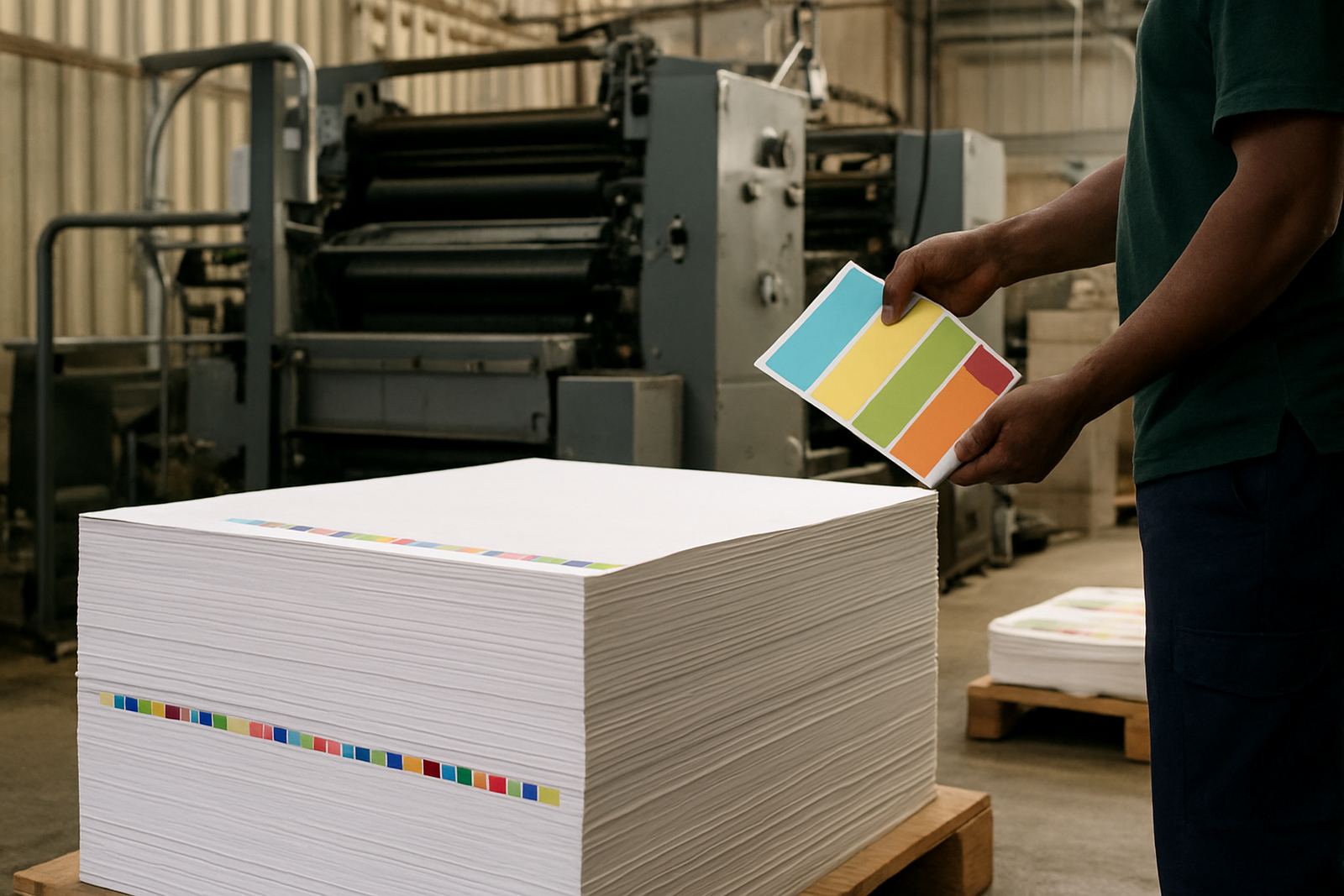
We prepared a matched security ink system from our Jacobs base in Durban, then ran drawdowns and trial batch making before the press date. Our colour lab lead checked the shade against the client’s approved carton spec, while the security ink specialist designed the covert pattern so it would verify quickly with standard UV equipment. The production manager handled batch control and retention, so the client had a clean record of what went to press.
The supply package included trial quantities, press startup support and a retain sample library for follow-up checks. We also tested coating compatibility because the carton had a post-print sealing step, and that can change how a mark behaves under pressure and heat. The converter wanted something practical, not a lab-only answer, so we kept the system tight and press-ready.
- Colour matching to the approved carton tone
- Security pattern design for covert UV verification
- Adhesion tests and rub resistance checks
- Batch retain samples for traceability
Press trials, tuning and startup support over 3 weeks
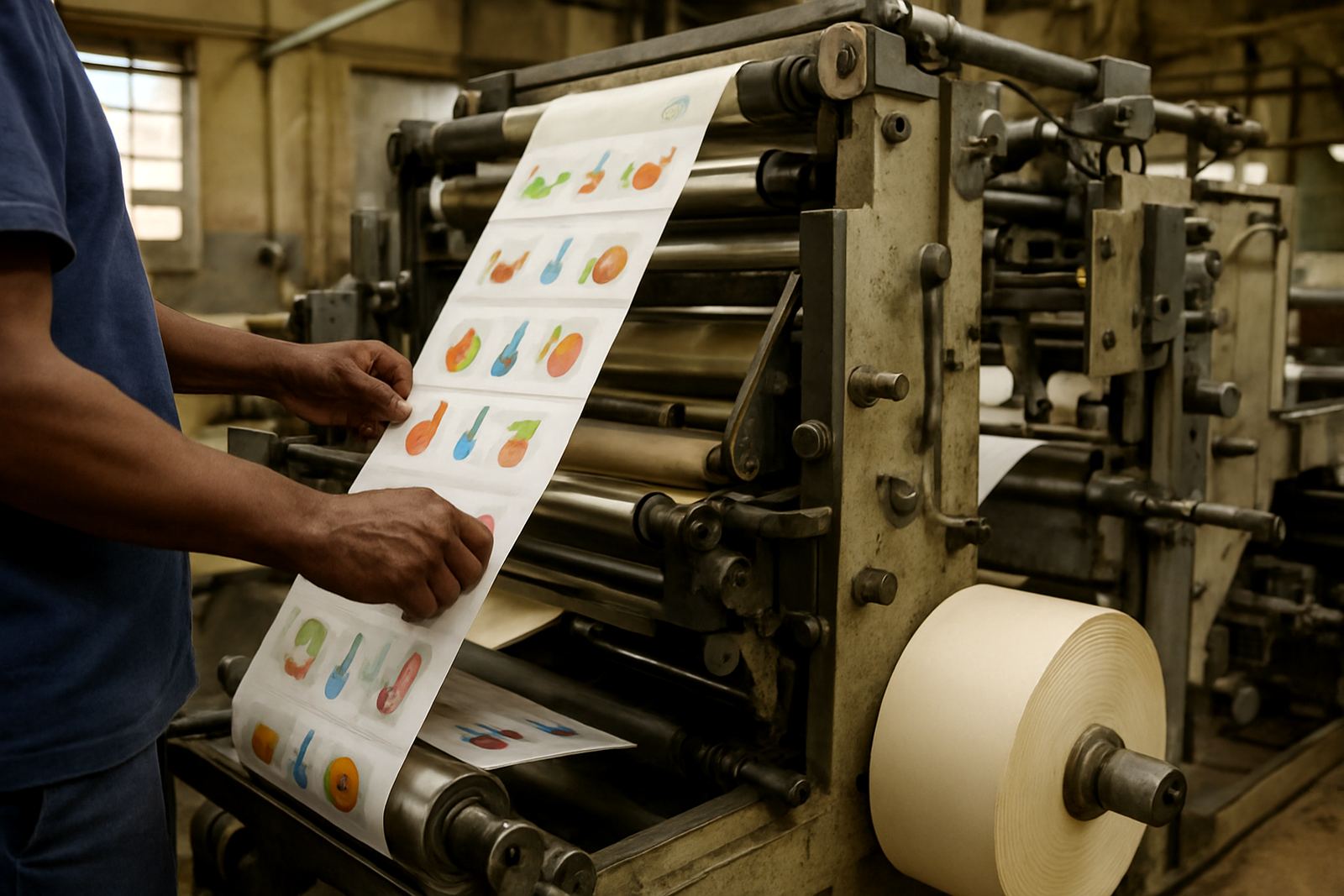
The project ran over three weeks from initial brief to sign-off. In week one we completed the brief review, stock checks and compatibility testing. In week two we produced drawdown panels, adjusted the threshold and prepared trial batches. In week three we joined the press startup, watched the first cartons coming off line and made small corrections to get the response exactly where it needed to be.
One issue showed up early: on the first trial the UV reaction was good, but the board needed a slightly better surface balance to keep the printed area stable through folding. We adjusted the application window and re-checked rub resistance after cure. That small change made the finish more dependable across the run, and it kept the pack neat when cartons were stacked for dispatch.
- Week 1: brief review and compatibility checks
- Week 2: drawdowns, threshold tuning and trial batches
- Week 3: press startup support and final approval
Results in the distribution channel
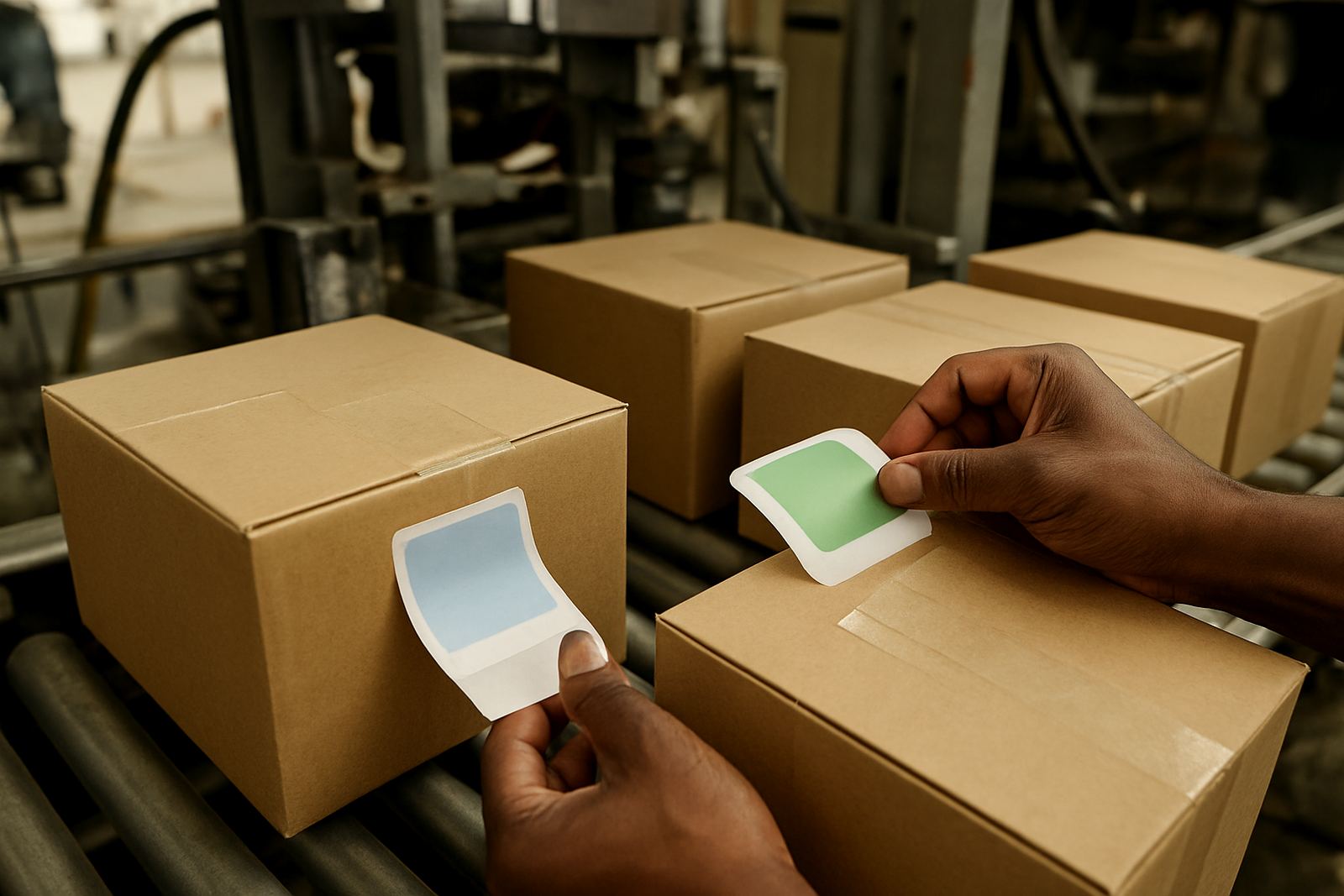
The finished cartons gave the client a practical verification point for controlled distribution, with a covert UV feature that could be checked quickly without training every handler in the chain. The print held up well under handling, and the client reported better confidence during receiving and stock movement because the verification cue was easy to confirm where needed.
The other result was consistency. Once the ink was tuned, the cartons held the same response across the batch, which reduced the chance of disputed packs and rework. The production team said the run was smoother than expected, especially once the humidity was factored into drying and stacking times. It was a simple outcome, but useful: fewer questions, cleaner handover and no loose ends.
- Clear covert UV verification for controlled release
- Good rub resistance during folding and packing
- Stable batch-to-batch response
- Less rework at dispatch and receiving
What we would repeat on the next pharma carton run
If we were doing the same job again, we would repeat the early drawdown stage and keep the press trial on the same short timeline. That gave us enough room to tune the security response without adding delay to the converter’s schedule. We would also keep the retain library in place, because pharma packaging often comes back months later for audit or a spec query, and it helps to have a clear sample on hand.
For Westville and wider Durban production, the main lesson was that security ink works best when the board, curing conditions and verification method are planned together. When those parts line up, the carton stays practical for the factory and useful for the customer down the chain. It sounds straightforward, but it saves time where it matters.
- Keep the drawdown and trial batch stage in place
- Match verification lamps to the final security cue
- Retain approved samples for later audit checks
- Plan for coastal humidity and load-shedding windows
Key facts
| Project | Westville Pharma Cartons |
|---|---|
| Client type | Pharma packaging converter |
| Location | Westville, Durban |
| Timeline | 3 weeks |
| Core feature | Covert UV verification for controlled distribution |
| Supplied from | Jacobs, Durban base |