Fresh produce packs that had to hold in cold rooms
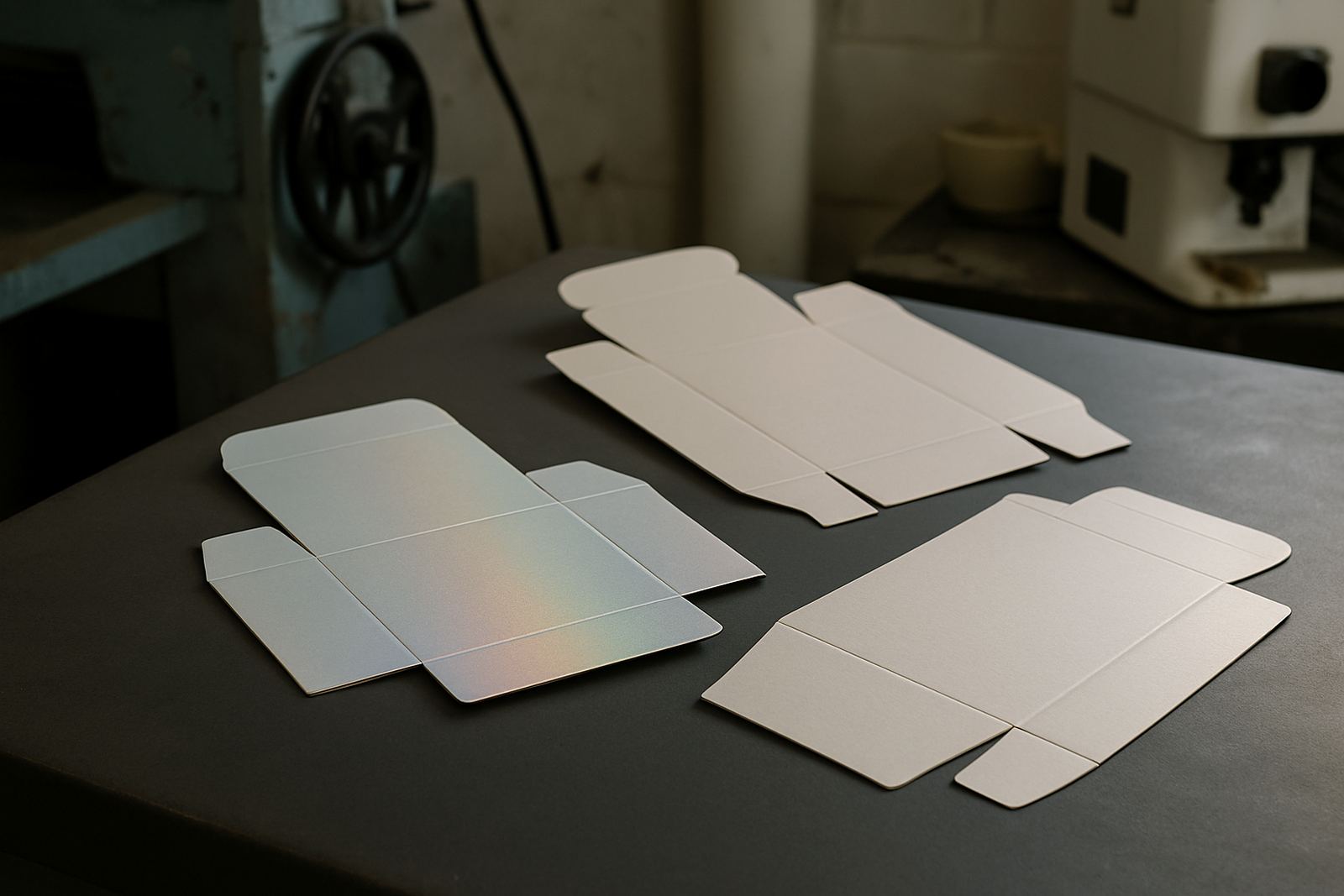
The client was a fruit and vegetable packing operation in Mbombela serving local wholesale buyers and larger distribution routes into Gauteng and the coastal market. Their labels had to perform on chilled packs, move through wash down areas and still stay readable after stacking, condensation and overnight storage.
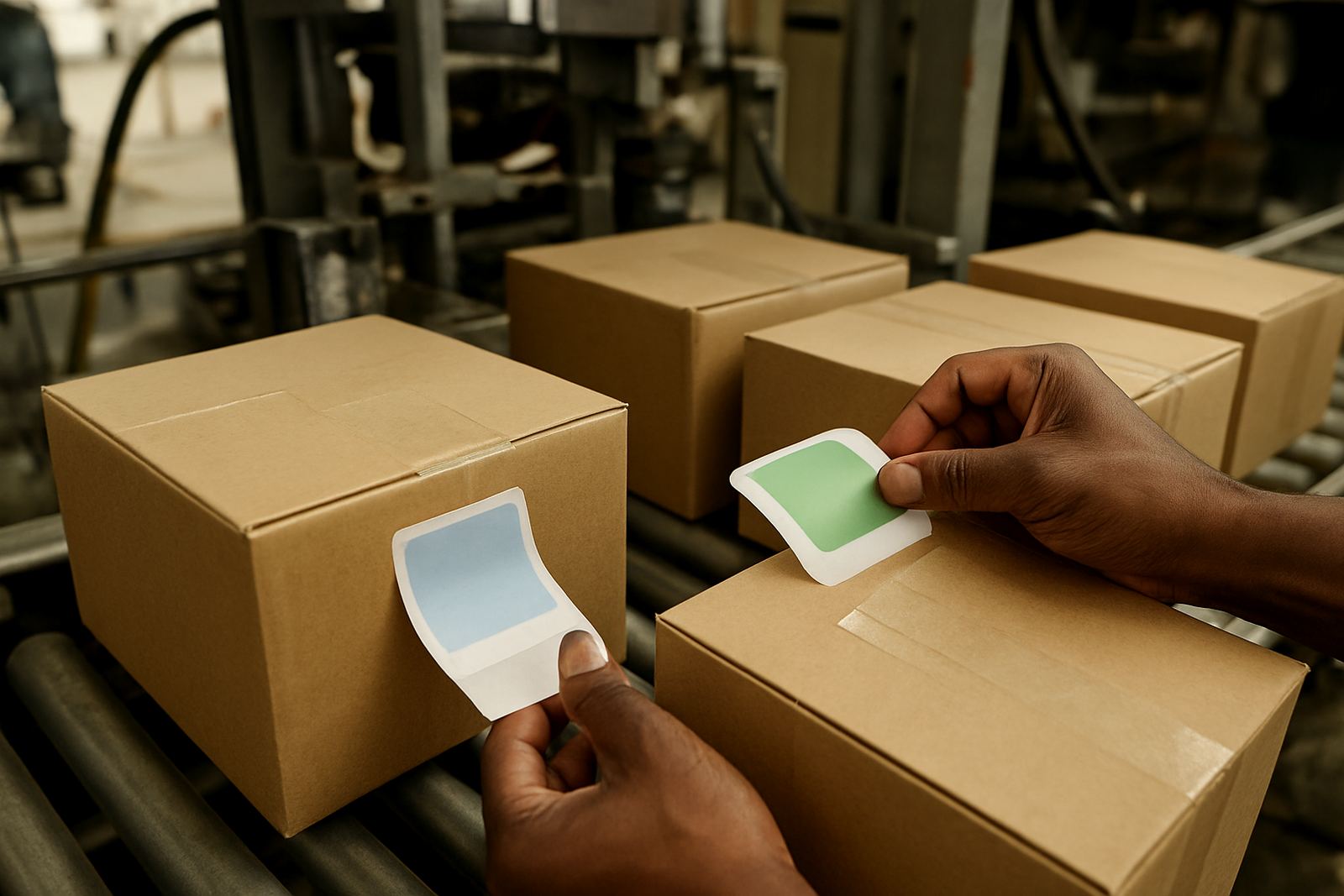
The brief was straightforward on paper but tight in practice: improve label adhesion on chilled packs, keep the colour consistent across multiple batches and build in a simple authenticity marker for pack-house controls. They also needed a finish that would not lift at corners when the cartons moved from a coolroom to a warmer loading bay. In Mbombela, where summer humidity can be high and packs often see quick temperature shifts, that mattered a lot.
Key facts from the brief were: label size 90 mm by 55 mm, applied to polypropylene sleeves and coated carton faces, with a visible temperature response feature and a small security element for internal traceability. The pack line was running six days a week and the client wanted the material tested before they committed to full quantity. They did not want a long lab process or fancy talk, just labels that worked and no drama on line.
What we tested before the first production run
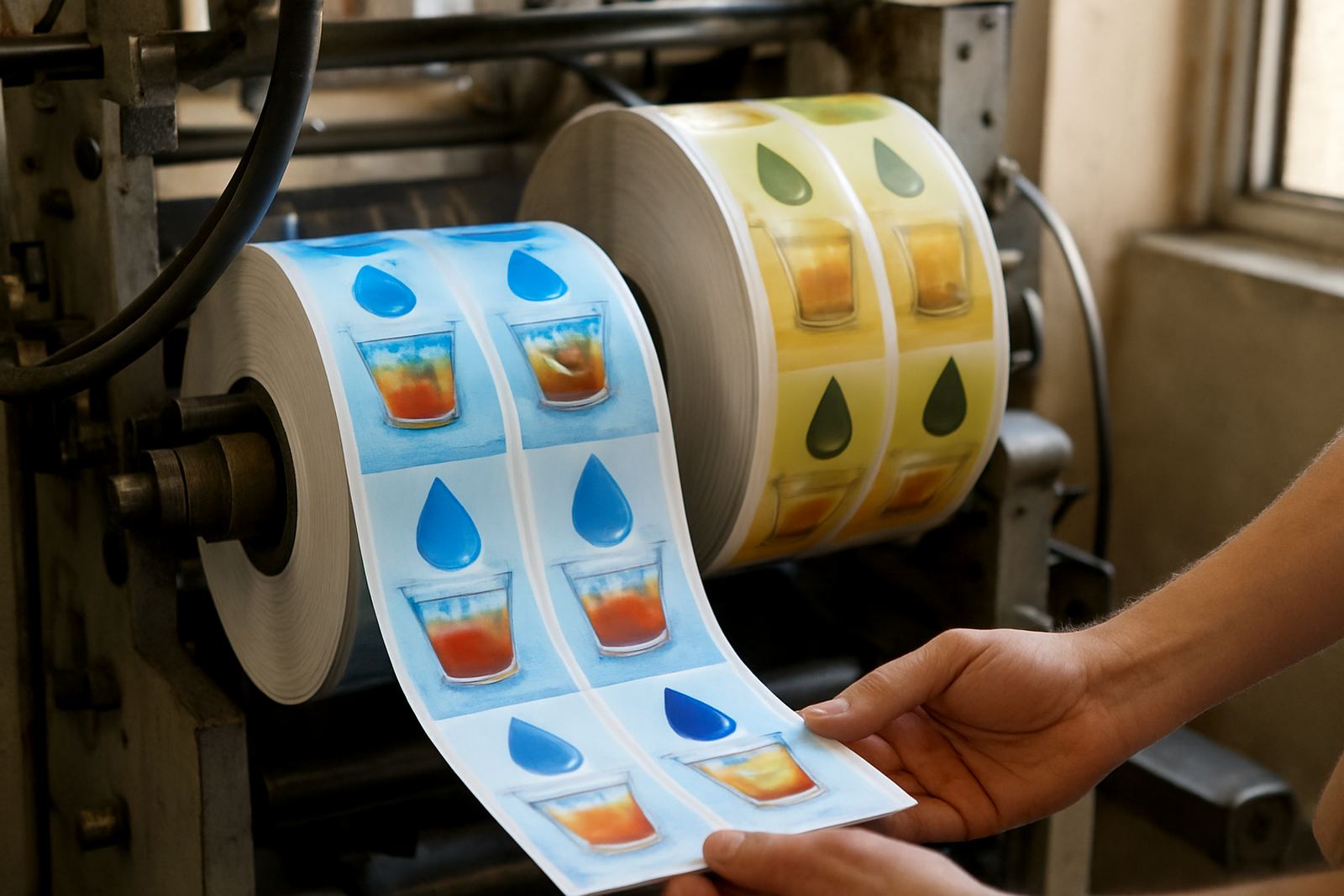
We started with drawdown panels and then moved into compatibility testing on the exact pack surfaces used by the client. Our team checked adhesion on both smooth and lightly textured areas, because the same label can behave differently depending on the carton coating. We also ran threshold tuning on the thermochromic component so the colour change was clear enough to help staff and buyers without overreacting to normal ambient movement.
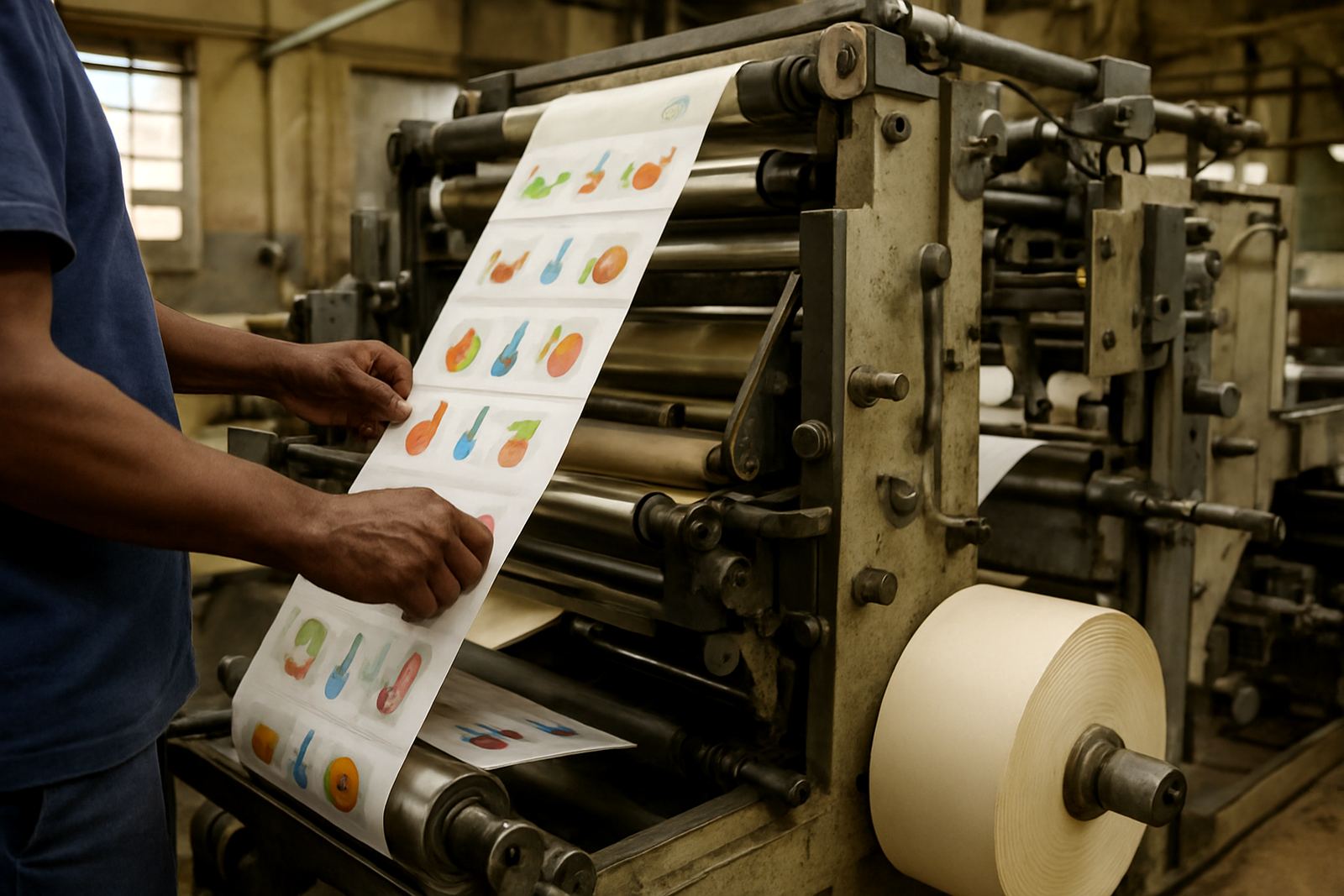
We built a small trial batch and set up UV verification checks for the security ink, then compared rub resistance after the labels had been cooled, handled and left to settle. That gave us a proper view of how the print would behave once the packhouse got busy. The trial also helped us balance appearance against function, which is often where produce labels go wrong if the ink layer is too heavy or the adhesive is too eager.
- Trial batch making for pack-house line checks
- Adhesion tests on coated cartons and sleeve material
- Rub resistance checks after cold storage exposure
- UV verification setup for the security feature
- Drawdown panels for colour control and consistency
Security and colour control in the same label run
For this job we supplied a label print support package that combined colour matching, security pattern design and coating compatibility checks. The produce labels needed to look clean on the shelf but also carry a discreet mark that helped the client confirm authenticity and batch control inside the pack house. Pieter handled the security ink side while Nomfundo worked on colour lab matching so the visual result stayed consistent from sample to sample.
The colour target had to stay bright enough to support retail visibility but not so bold that it fought with the produce itself. That meant tuning the ink laydown carefully and checking how the shade shifted under cold room lighting and daylight at dispatch. We also made sure the thermochromic response was easy to recognise during handling, yet still suited to the packaging design the client had already approved.
Because the operation sits in a coastal trade route through to KZN and Gauteng, the labels needed enough staying power for transport as well. High humidity, slight dust on outer cartons and fast dock movement can spoil a label run quicker than people expect. This is where steady production control mattered more than a flashy spec sheet, and the result was a cleaner line with fewer reprints and less waste.
A three week turnaround from sample to full supply
The project ran over three weeks. Week one covered brief finalisation, surface checks and the first round of samples. Week two was used for trial batches, line testing and adjustment of the colour response. Week three went into final production support and delivery planning from Jacobs, Durban to the client’s Mbombela site.
Jason coordinated the logistics so the cartons and labels reached the pack house on time, while Lindokuhle monitored production output and batch retain samples. We kept a retain library for the run so if the client needed a repeat order later, the same reference point would be available. That saved time on future matching and made reordering less risky.
- Week 1: brief, substrate review and sample preparation
- Week 2: trial batches, press startup support and tuning
- Week 3: final supply, dispatch and batch retain filing
- Delivery route covered Durban base to Mbombela with timed handover
How the labels behaved once the line was running
Once the run went live, the client reported better adhesion during chilled handling and fewer labels lifting at the corners after coolroom storage. The thermochromic feature gave pack staff a simple visual cue during temperature-sensitive stages, and the security ink helped with internal verification without slowing the line. That mattered because produce work does not give you time to fiddle with a stubborn label.
We also saw a drop in reject rates on the first production shifts. The client could keep moving cartons without stopping to press labels back down or sort out faded print. It is a small thing but it adds up fast when you are packing at scale and the season is busy. The final result was a steadier pack line and better confidence in the finished label, which is exactly what the brief asked for.
There were no grand changes to the operation, just practical gains: better hold, clearer batch identification and a cleaner finish under real pack house conditions. For a fresh produce run, that is usually what counts most. The labels were not there to show off, they were there to work and they did.
What we would repeat on the next produce label job
If we were doing the same type of job again, we would follow the same approach: start with compatibility checks, keep the colour target tight and do a proper chilled-chain trial before committing to full quantity. Fresh produce packs are sensitive to surface type, cool room time and handling speed, so skipping the testing phase almost always causes issues later.
We would also keep the batch retain library from day one and build in a quick recheck on the security pattern before each repeat print. For pack houses in towns like Mbombela, where the weather can change quickly and delivery timings matter, that extra control saves time. It also makes it easier to keep labels consistent across seasons, even when the packing mix shifts from one crop to another.
ThermoInk’s value on this project was simple: practical support, controlled colour and a label system that could cope with the conditions on the floor. The client got a dependable run and a repeatable method for future orders, which is what most packaging teams want when the fruit is coming in and the trucks are waiting.
Key facts
| Project town | Mbombela |
|---|---|
| Client type | Fresh produce packhouse |
| Label size | 90 mm x 55 mm |
| Run timeline | 3 weeks |
| Substrates | Polypropylene sleeves and coated cartons |
| Functions supplied | Thermochromic visibility, security ink, adhesion support |