What the adhesion primer does on difficult pack substrates
Adhesion Primer is a pre-print coating used before thermochromic or security inks are applied to packaging materials that can be difficult to print on. It creates a more receptive surface so the ink wets out properly, bonds more consistently and stays in place through handling, folding, stacking and transport. For converters working in Durban humidity or inland dry conditions, that added control can make a real difference to first-pass results.
It is suited to packaging where the substrate itself can work against good print adhesion. That includes film-based packs, coated boards, laminated structures and certain recycled or low-surface-energy materials. The primer is supplied for line application or controlled off-line coating depending on your process, and can be used as part of a system where colour-change or security performance must stay clear and reliable.
- Improves ink hold-out on difficult surfaces
- Supports better bonding before thermochromic or security layers
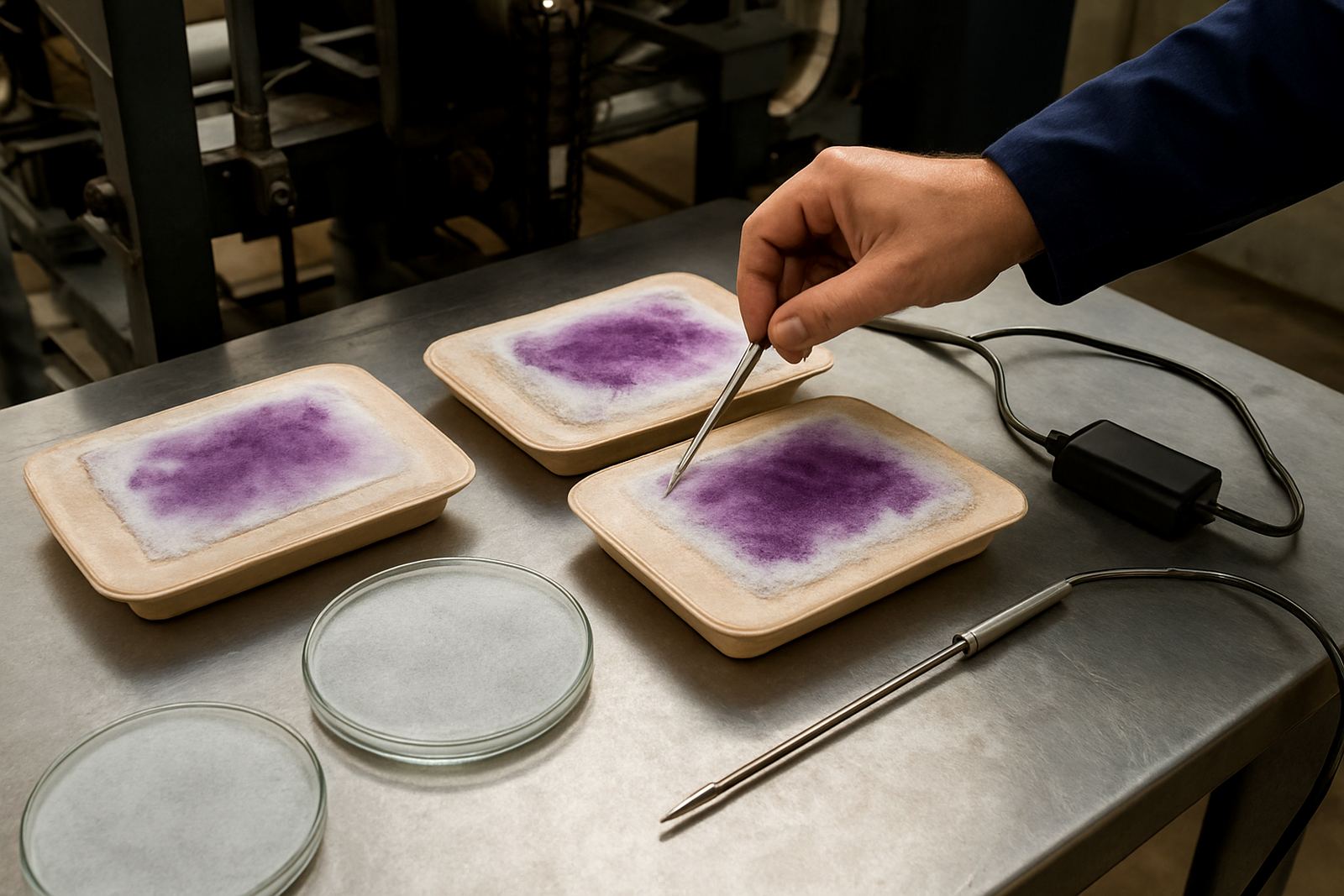
- Helps reduce patchiness, crawling and early rub-off
- Useful on packaging that sees handling in warehouses and retail distribution
Where it suits best in packaging production
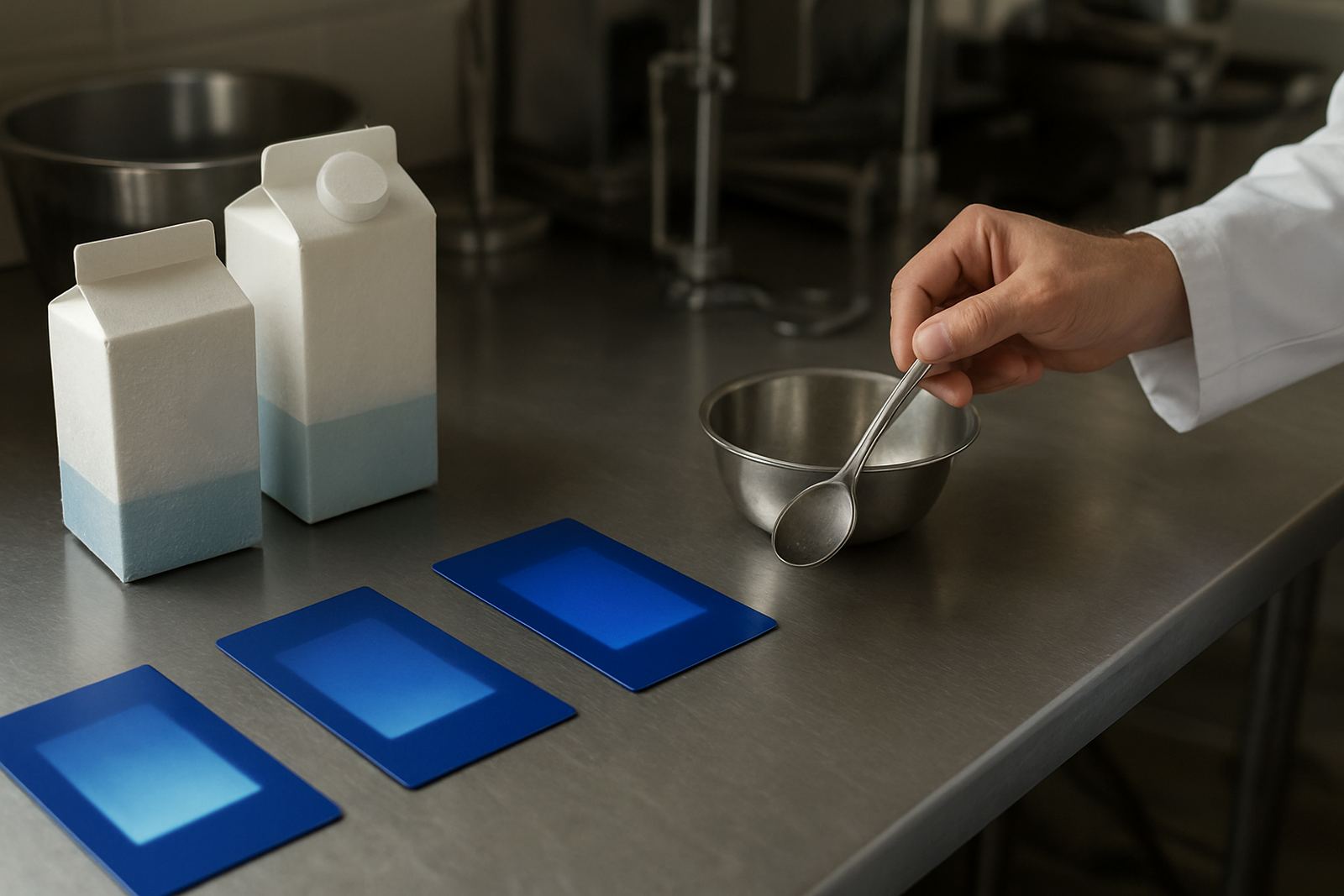
This primer is used in packaging environments where print quality and adhesion need to stay consistent across different substrate batches. It suits food, pharmaceutical, personal care, industrial and promotional packaging where a visual cue or security feature must remain readable after converting. For many South African runs, the issue is not the ink itself but the surface energy, dust, coating residue or variation in the board or film supplier.
It works well where the substrate is smooth, lightly treated, recycled, or has a finish that makes direct ink bonding less predictable. Jacobs and Prospecton converters often use primers like this on short trial batches before moving into production, especially when the pack will be folded, slit, die-cut or overprinted later. If your line sees moisture, static, or variable storage conditions, a primer can help stabilise the print result.
- Flexible pouches and film-based packs
- Coated cartons and laminated board
- Labels and sleeves that need strong bond performance
- Secondary packaging with security or temperature indicators
Application method and line requirements
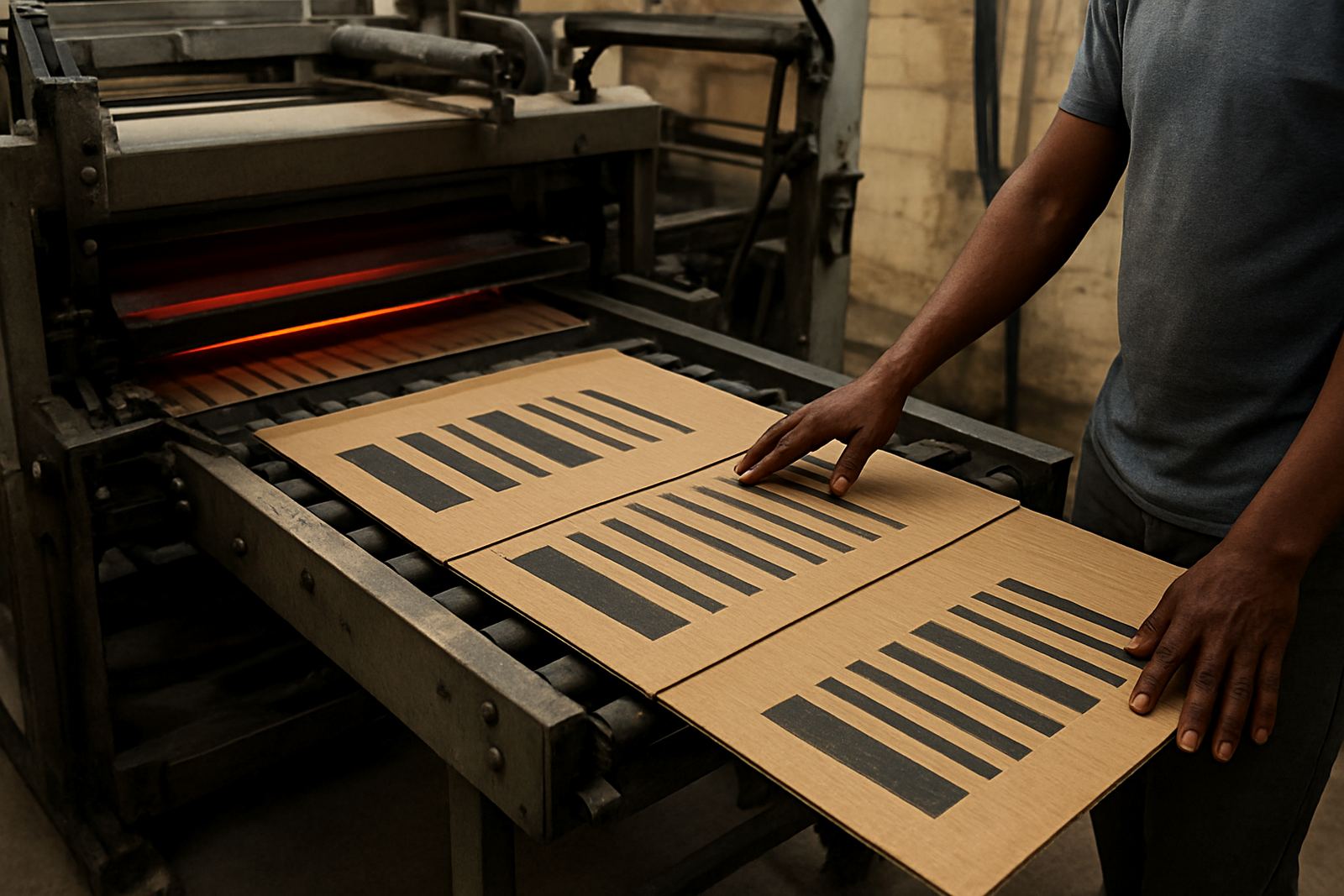
The primer can be applied by standard coating methods already used on packaging lines, including controlled roller, flexo-style laydown or off-line drawdown, depending on the setup. It does not need gas. Power needs are limited to whatever your coating or drying equipment already uses, if any. In many cases the primer is run with ambient drying, though plant conditions, film thickness and line speed will decide the final set-up.
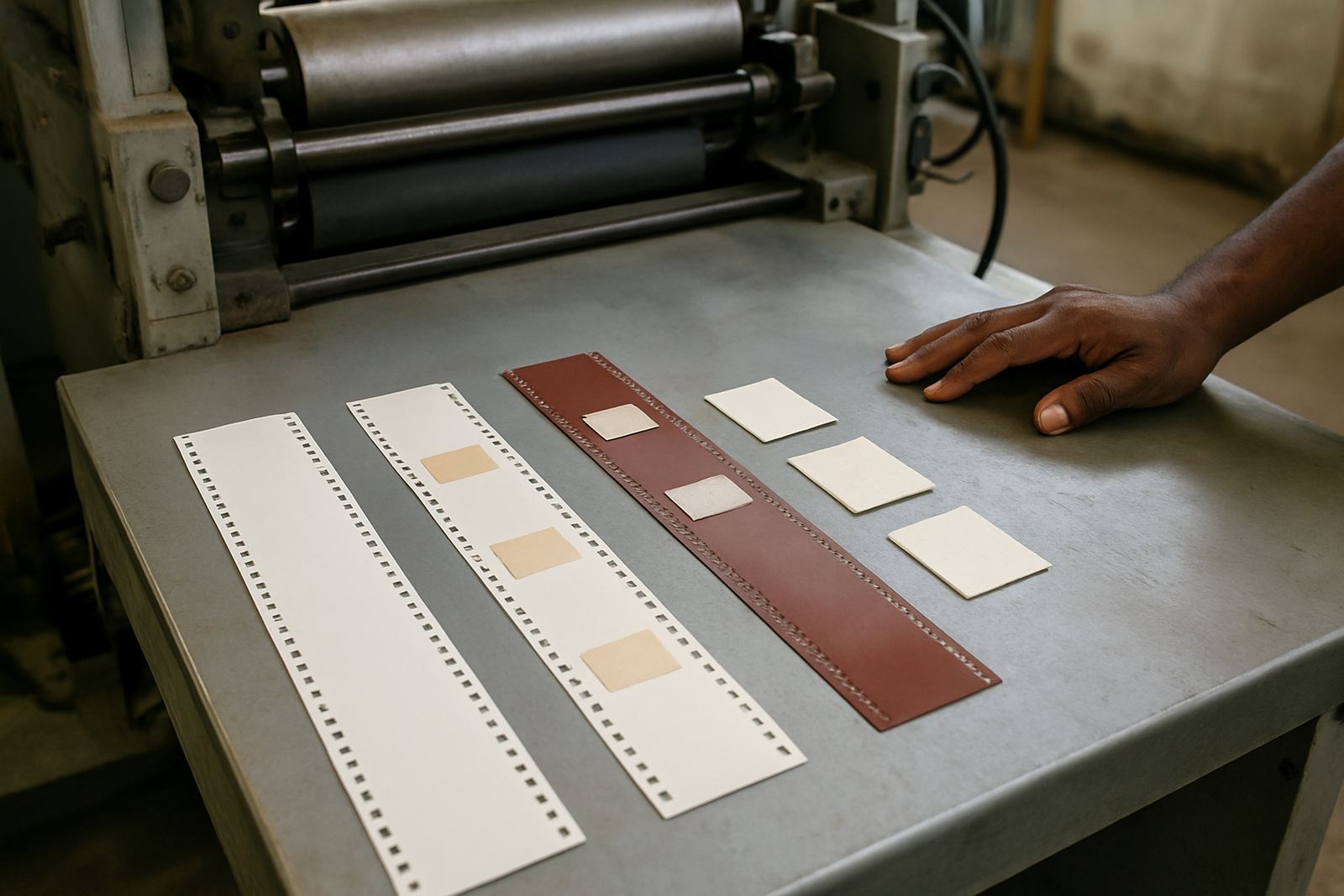
Before using it at full speed, we recommend small drawdowns and press startup checks to confirm laydown, drying and bond strength on your actual substrate. Adhesion performance is always tied to the surface prep, the amount of primer applied and the curing or drying window. A clean line matters too, especially where powder, paper dust or leftover coating can interfere with hold-out.
- No gas connection required
- Power depends on your existing drying or curing equipment
- Works with trial batch making and press startup support
- Best set after testing line speed, wet film thickness and drying time
Sizes, pack options and how supply is handled
ThermoInk supplies Adhesion Primer in pack sizes that suit trial work and production use. That means smaller containers for lab testing, short runs and colour matching, as well as bulk options for converters running steady volumes. Exact pack size depends on the batch plan, substrate type and how much material you need for testing before production release. For national deliveries, Jason Pillay coordinates supply from Jacobs so timing can be matched to your production schedule.
Ordering the right size matters because primer performance is linked to freshness, storage and how often the container is opened. On coastal sites like Durban or Gqeberha, keeping the pack sealed properly and stored away from heat and moisture helps maintain consistency. If you are running multiple product lines, it can also help to separate test material from production stock and keep batch records clear.
- Lab and trial quantities available
- Production packs available for converter use
- Batch retain support for repeat orders and traceability
- Nationwide delivery to packaging converters
Care, storage and routine servicing points
This product has no moving parts, but good storage and disciplined handling keep results stable. Store containers sealed, out of direct sun and away from forklift lanes or washdown areas. In humid coastal conditions, avoid leaving the lid off for long periods and do not return contaminated product to the main drum. If the site is in a dusty industrial area like Jacobs or Pinetown, keep transfer tools clean and dry.
Routine servicing is mainly about the line around the primer rather than the primer itself. Check applicator rollers, dosing settings, filters and drying conditions so the coating stays even. If you notice poor hold-out, pinholes or bond failure, it is worth checking the substrate, surface treatment and humidity first before changing the whole process. Lindokuhle Dlamini and Shaun October often review these issues during production troubleshooting with converters.
- Keep sealed when not in use
- Store away from direct heat and moisture
- Use clean tools for decanting and testing
- Check applicator condition and line cleanliness regularly
What to confirm before you order
To make sure the primer suits your job, check the substrate type, coating method and the final ink system it will sit under. We also need to know if you are running thermochromic work, security print, or both, because that affects the test plan. If the pack will face cold-chain transport, pallet wrap, coastal storage or abrasion in retail, tell us that up front so the trial covers real conditions.
Before ordering, it helps to confirm the following: whether the substrate is corona treated or pre-coated, what drying or curing equipment you have, how fast the line runs, and what level of adhesion you need after folding or rubbing. Nomfundo Khumalo can also assist with drawdown panels and threshold tuning when the job needs a tighter print window. The more detail you give at enquiry stage, the quicker we can match the primer to your production set-up.
- Substrate type and surface finish
- Application method and line speed
- Drying or curing setup already on site
- End-use conditions such as moisture, rubbing or cold storage
Key facts
| Product type | Pre-print adhesion primer for packaging substrates |
|---|---|
| Use case | Improves ink hold-out and bonding before thermochromic or security printing |
| Application | Roller, flexo-style laydown or off-line drawdown depending on line setup |
| Power and gas | No gas required; power only if your drying or curing equipment uses it |
| Supply format | Trial quantities and production packs available |
| Delivery area | Jacobs, Durban base with nationwide supply to packaging converters |