Healthcare kit carton brief from Pretoria
The client was a healthcare packaging converter in Pretoria supplying kit cartons for temperature-sensitive items distributed through pharmacies and clinics. Their brief was practical: make the outer carton carry a visible colour-change cue for handling, then add covert security details that could be checked by QA, dispatch staff and the end user without slowing pack-out.
They also wanted a solution that would run on existing carton stock and standard finishing equipment. That ruled out anything that needed major line changes. The cartons had to hold up in Gauteng dry conditions, transport vibration, warehouse stacking and repeated handling at receiving bays where cartons are often checked under poor light. The pack also had to cope with seasonal humidity shifts during summer, because carton coatings can lift if the ink system is not matched properly.
What the brief had to cover
The project had three main constraints. First, the authentication had to be obvious enough for fast visual checks, but not so simple that it could be copied with a standard four-colour reprint. Second, the carton had to keep good adhesion on board with a light coated finish, because the client wanted a clean clinical look. Third, the artwork area was tight, so the security features had to sit inside the existing layout and not crowd the dosage and compliance text.
- Carton format: folding carton for healthcare kit contents
- Board type: coated carton board used on standard packaging lines
- Print method: suitable for converter production and short trial runs
- Verification needs: overt colour shift plus covert inspection points
- Storage risk: heat exposure during transport and warehousing
There was also a compliance angle. Healthcare packs move through multiple hands before use, so the client wanted authentication that could support internal batch control and reduce the chance of mixed or tampered cartons reaching distribution. That meant the system had to be repeatable from one batch to the next, not just a one-off effect.
Ink system built for overt and covert checks
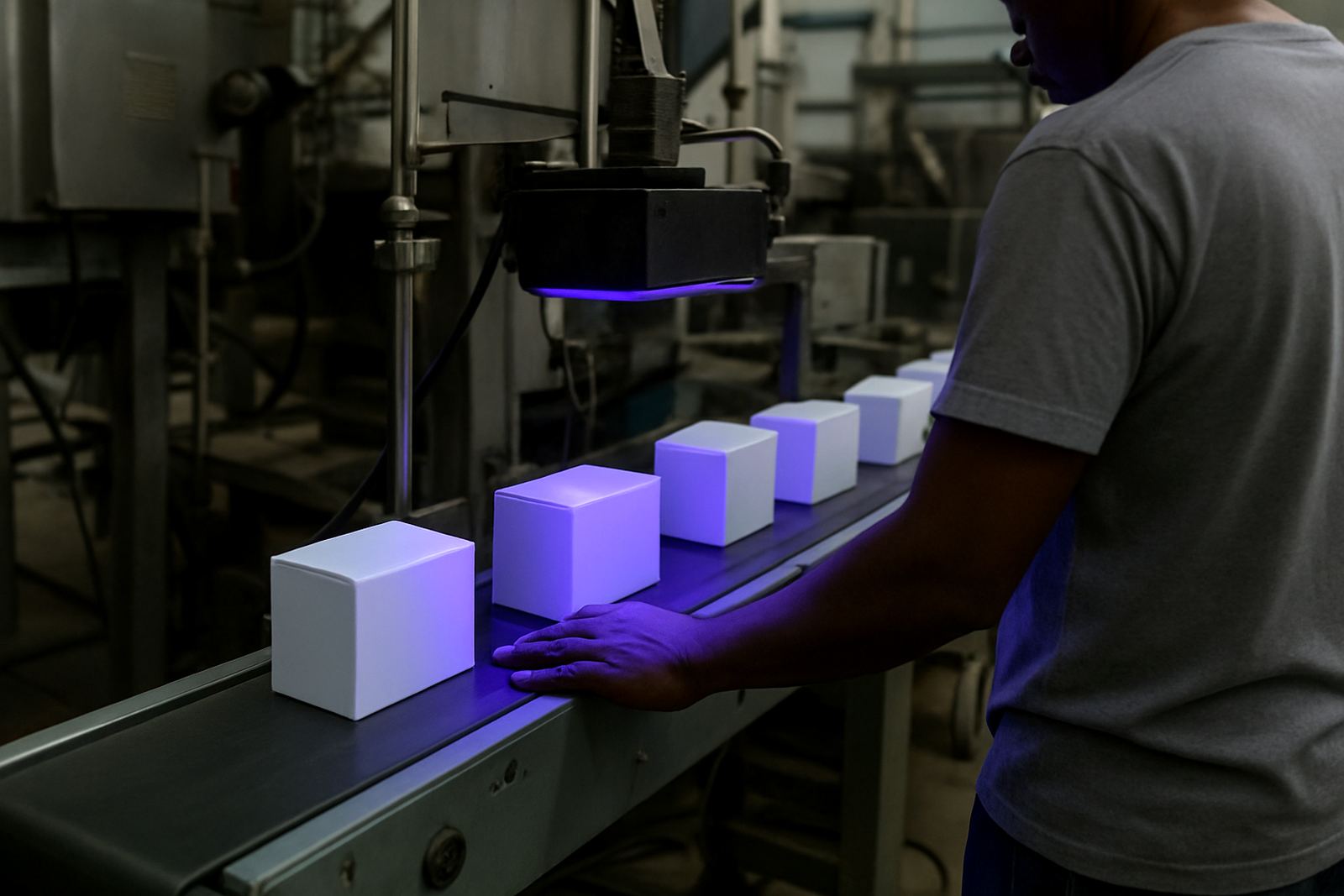
We supplied a two-layer approach. The first layer was the overt thermochromic element placed in a defined panel on the carton face. It gave a clear colour response at the target temperature band, so staff could see the change during handling and pack inspection. The second layer was a covert security ink system with a custom pattern, tuned for UV verification and line-side checking.
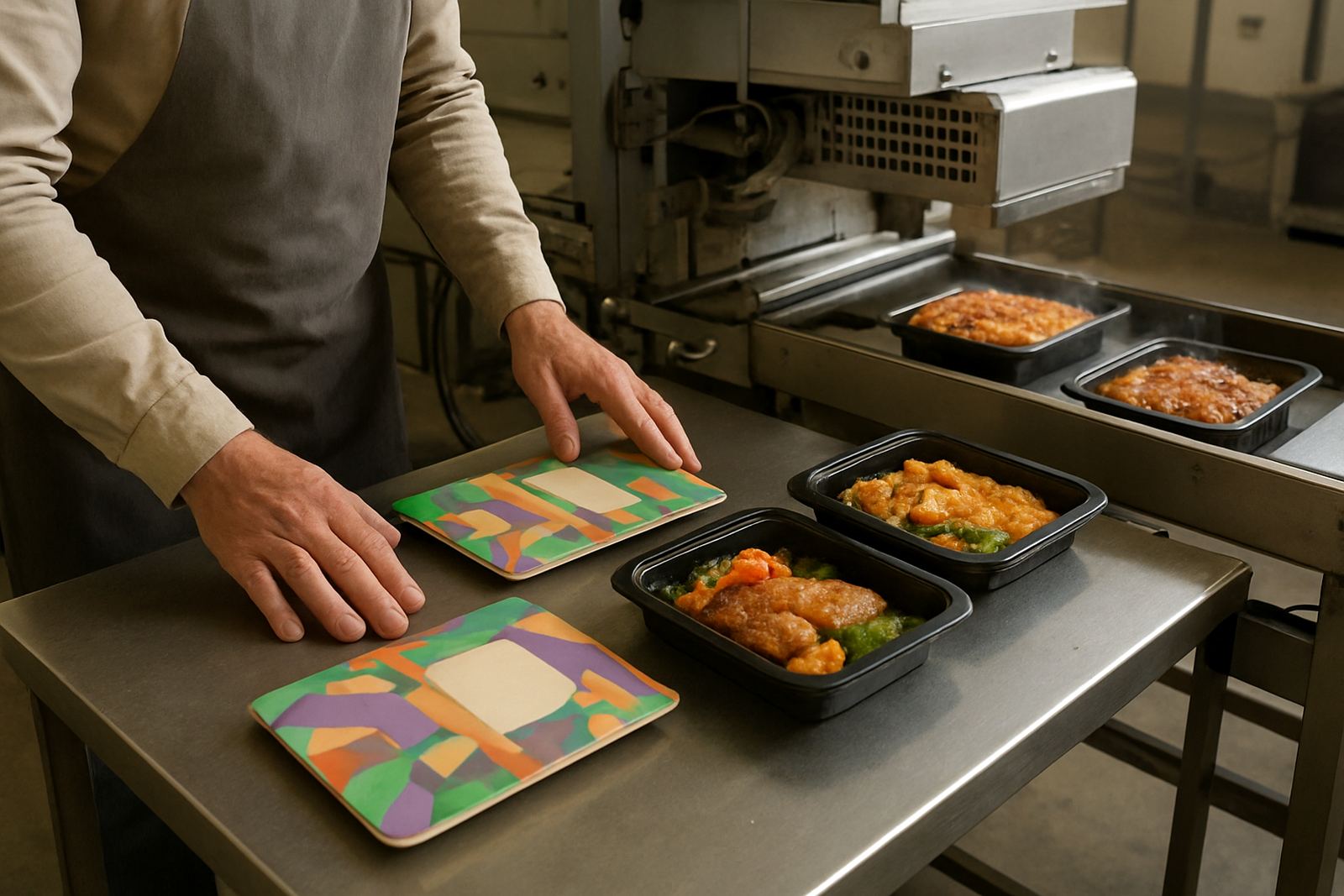
On the technical side, we ran colour matching against the client’s brand colours and then adjusted the threshold so the colour shift was readable without looking patchy. We also checked coating compatibility because some carton finishes can cause beading or dulling around the security panel. After that, we prepared drawdown panels and trial batches for press setup.
- Colour matching to the carton artwork and clinical packaging palette
- Threshold tuning for a clear but controlled temperature response
- Adhesion tests on the selected board and coating
- Rub resistance checks for carton handling and case packing
- UV verification setup for warehouse and QA teams
Shaun October handled the technical sales coordination, while Pieter van Wyk worked on the security ink pattern design. Nomfundo Khumalo led the colour lab adjustments, and Lindokuhle Dlamini signed off the production controls. Jason Pillay arranged the delivery plan to Pretoria so the trial material arrived in step with the client’s press slot, no fuss and no wasted downtime.
Trial batch, press startup and the first cartons out
The project ran over four weeks from first brief to approved trial output. Week one covered sample review and the target temperature band. Week two focused on lab work and drawdown panels. Week three was the press trial and adhesion review. Week four covered final batch sign-off and retain samples for the client’s records.
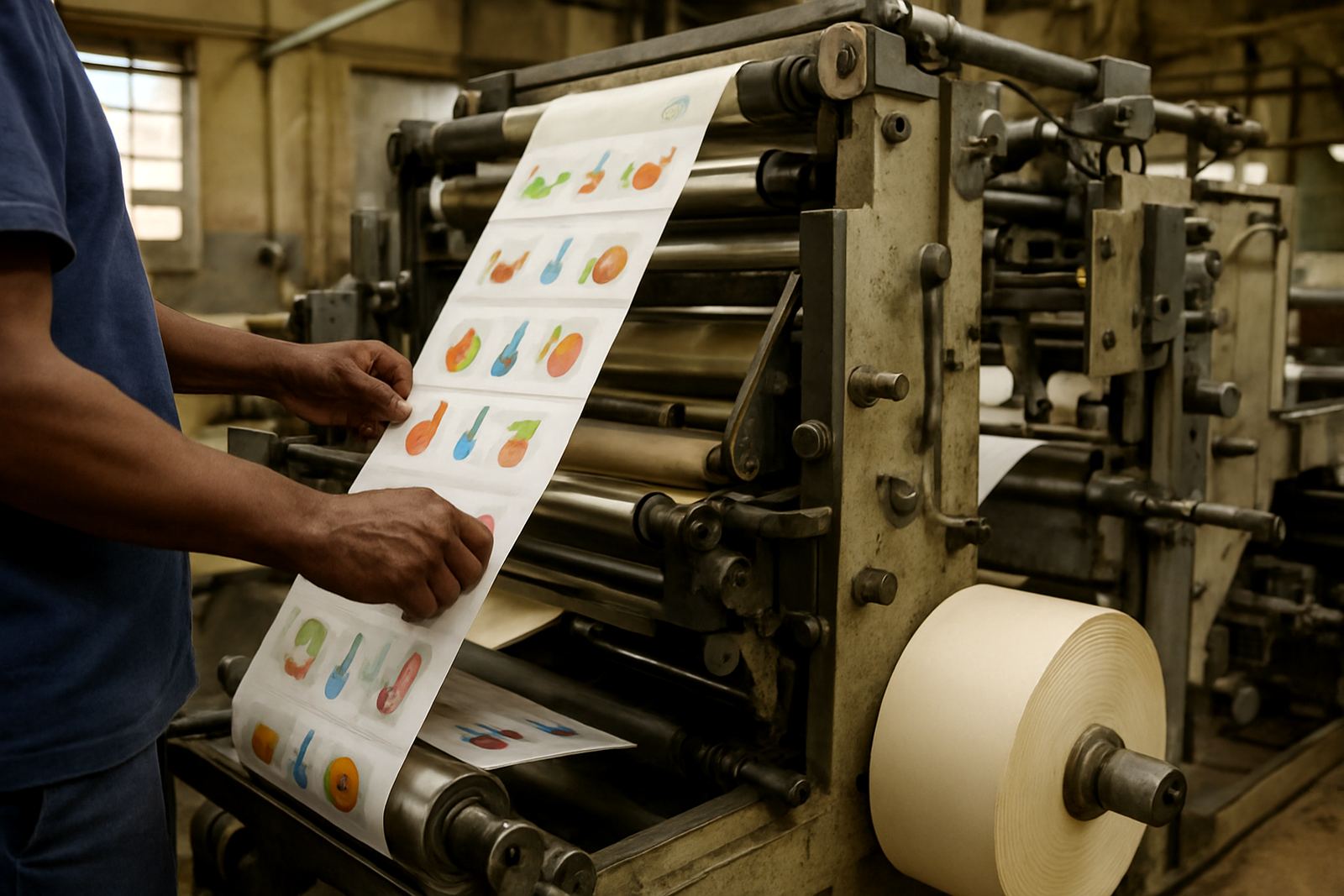
At press startup, we stayed with the line to check ink laydown, drying behaviour and the interaction between the security panel and the topcoat. The client wanted a neat finish with no smudge risk at stacking speed, especially as cartons move quickly during end-of-shift packing. We made one small adjustment to the drying window and then the run settled well. The change was minor but it stopped edge pick-up on the folded panels.
By the end of the run the cartons gave a clean visible cue at the chosen temperature point, while the covert mark remained stable under UV inspection. The converter was able to keep to its normal line speed, which mattered because downtime in Pretoria can quickly become costly when labour and board are already booked. The result was a pack that supported both handling control and authenticity checks without changing the carton structure.
Results seen on the warehouse floor
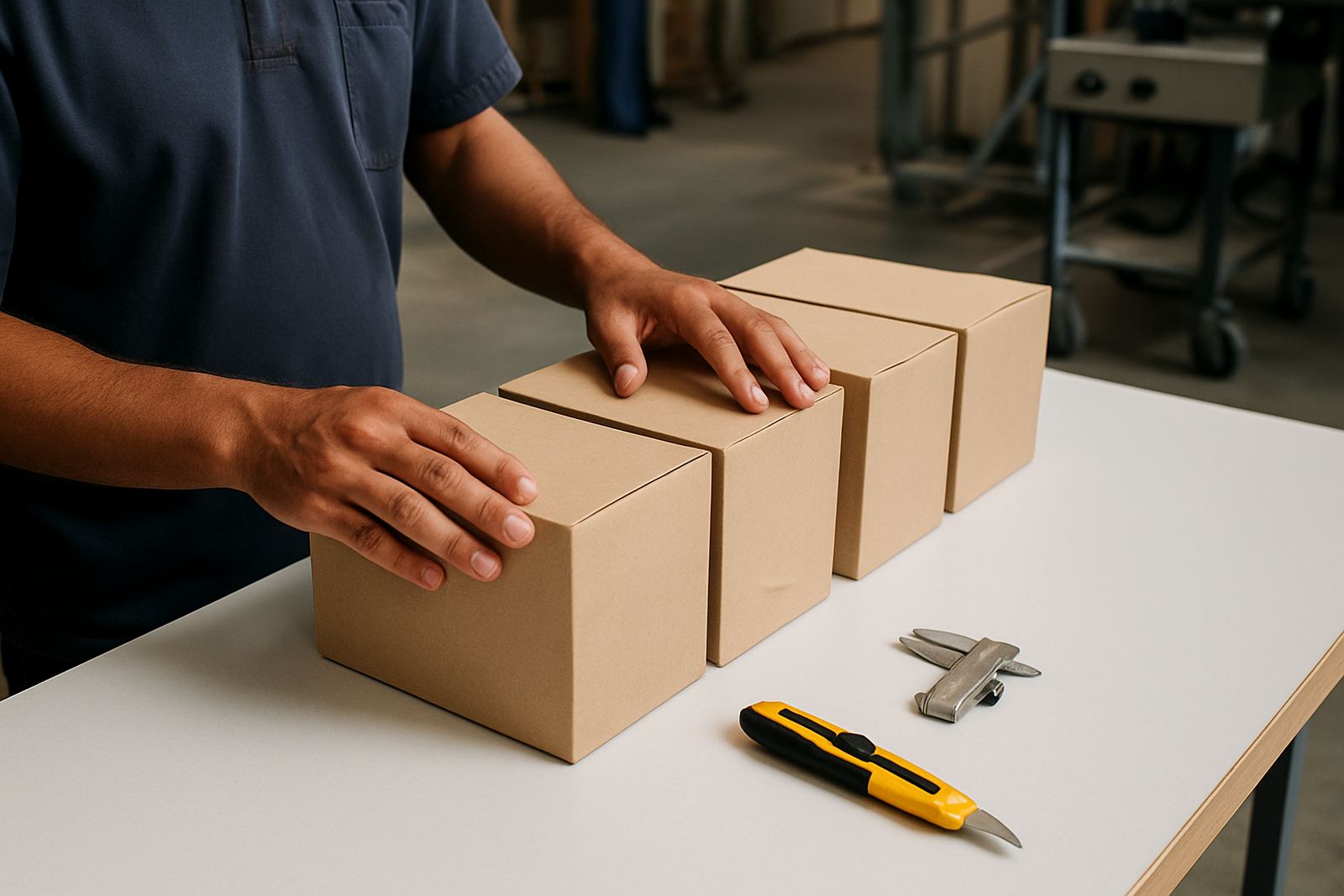
The finished carton helped the client tighten incoming and outgoing checks. Staff could confirm the overt indicator within seconds, then use the covert feature when a batch needed closer review. That cut confusion between lookalike packs and gave the client a clearer process for dispatch verification. It also helped during after-hours work, when lighting in the warehouse is less than ideal and people are working under pressure.
- Faster visual checks during packing and dispatch
- Better batch traceability through retained sample control
- Lower risk of copying due to the layered security design
- Stable print performance on the chosen carton board
- Cleaner handling through better rub resistance
The client also liked that the security feature sat inside the existing artwork. Nothing about the carton looked bulky or overdone, which is important in healthcare packaging where trust and clarity matter. In short, the pack now gives staff a clear signal and gives the brand a stronger line of defence against tampering or unauthorised copying.
What we would repeat for the next kit carton run
If we were repeating this project for another healthcare converter, we would keep the same structure: early board testing, a clear temperature target, and press support on the first run. That order saves time. We would also keep a retain library from the first approved batch so future reprints can be checked against a known reference. For a busy pack line, that is worth its weight in Rand.
For Pretoria and surrounding supply routes, we would again plan around warehouse temperature swings, loading bay dust and the pressure of tight municipal and medical distribution schedules. The system worked because it was built for real production conditions, not just a sample sheet. For the client, that meant a carton that does what it should, every time, and gives the team a practical way to verify it.
Key facts
| Project type | Healthcare kit carton authentication |
|---|---|
| Location | Pretoria |
| Timeline | 4 weeks from brief to approved trial output |
| Ink system | Overt thermochromic panel plus covert security ink |
| Key checks | Colour matching, adhesion, rub resistance, UV verification |
| Supply scope | Drawdowns, trial batch, press startup support, retain samples |