What the Rustenburg brief called for
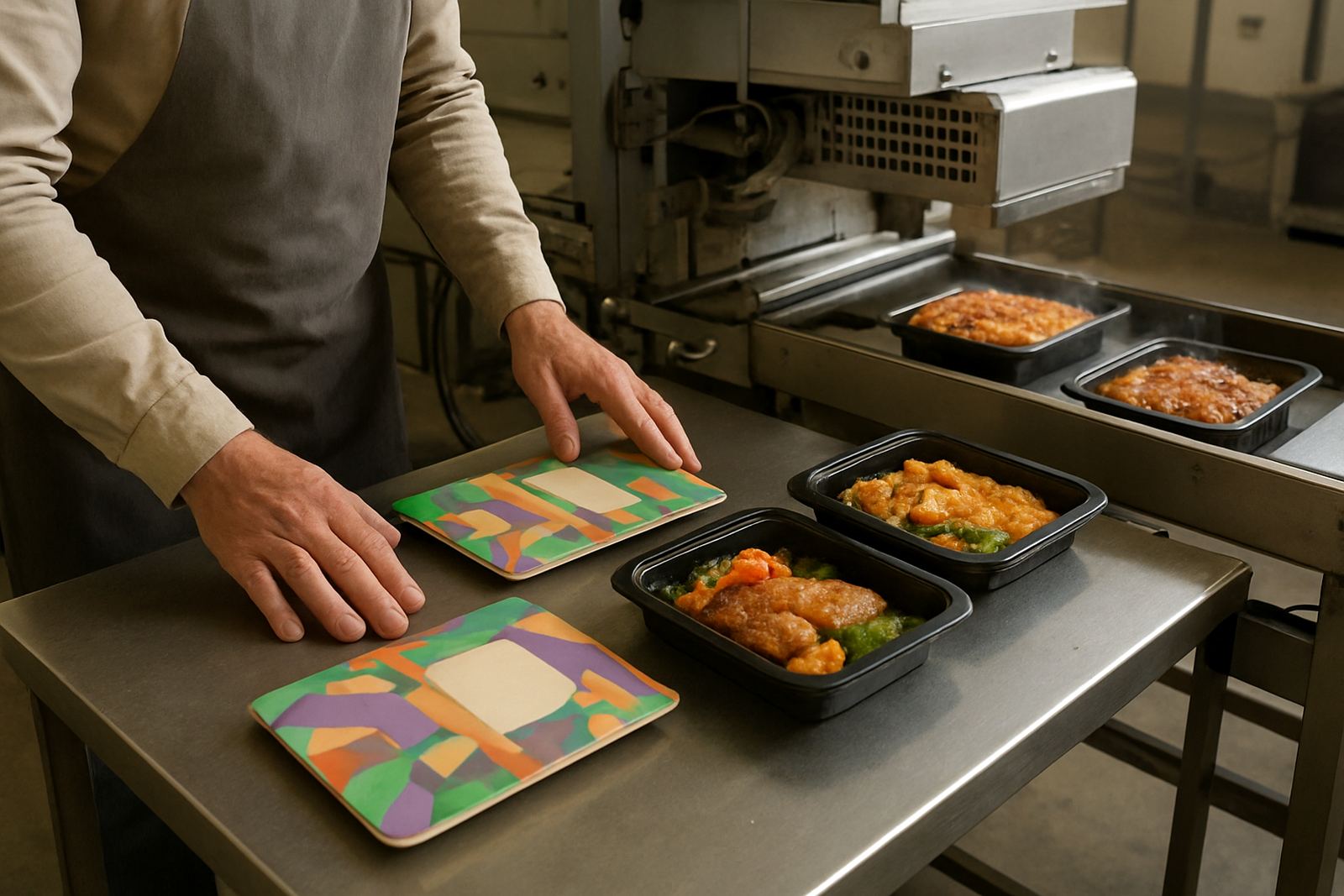
The client was a mid-sized ready meals producer in Rustenburg supplying retail and food service outlets across North West and Gauteng. Their new tray sleeve had to do more than carry branding. It needed to show a warm-serve message at a glance, suit chilled distribution, and hold up on a busy packing line where sleeves are folded, wrapped and handled fast.
The brief came through the enquiry form from the production team and was clear from the start. They wanted a sleeve with colour-changing cues for the warm-serve area, plus a print finish that would not scuff easily in transit. The pack had to be readable under store lighting, fit a standard meal tray, and remain consistent across repeat batches.
- Project type: tray sleeve for ready meals
- Location: Rustenburg, with distribution to surrounding towns and national retail channels
- Main use: warm-serve consumer guidance and shelf visibility
- Line speed: fast folding and wrapping on standard packing equipment
Material limits and production constraints
Ready meal packaging has a few hard limits. The sleeve must survive cold-room storage, transport vibration and the occasional splash from condensation, especially in North West heat. The client also needed the sleeve to keep its colour cue stable after handling, with no smearing or dulling where fingers would touch it most.
We also had to work around converter timing and normal plant conditions. In a local packaging environment, humidity shifts and load-shedding can affect drying and curing windows, so the system needed a practical production range, not only a perfect lab result. That meant testing the ink behaviour on the chosen board, checking adhesion on the coated face and making sure the warm-serve message stayed accurate after folding.
- Board compatibility checked on coated packaging stock
- Adhesion tested on folded and flattened panels
- Rub resistance reviewed after manual handling and carton packing
- Colour cue set to activate at the agreed temperature threshold
What we supplied and how we set it up
Our team supplied a thermochromic ink system for the warm-serve graphic, along with matching support for the security and production side of the sleeve. Shaun October handled the technical sales coordination, while Nomfundo Khumalo led the colour work and threshold setting. Pieter van Wyk reviewed the security print placement, and Lindokuhle Dlamini oversaw the production practicalities from a runnability point of view.
We prepared drawdown panels first, then moved to trial batch making so the converter could compare the sleeve under real handling conditions. The sleeve artwork was adjusted to give the warm-serve cue enough room to shift clearly without fighting the rest of the design. Jason Pillay coordinated sample movement between Jacobs and the converter site, and batch retain records were kept so the same settings could be repeated later.
- Drawdown panels for colour assessment
- Trial batch making for press-side checks
- Threshold tuning for the warm-serve cue
- Coating compatibility review before full output
Press support and practical checks on the line
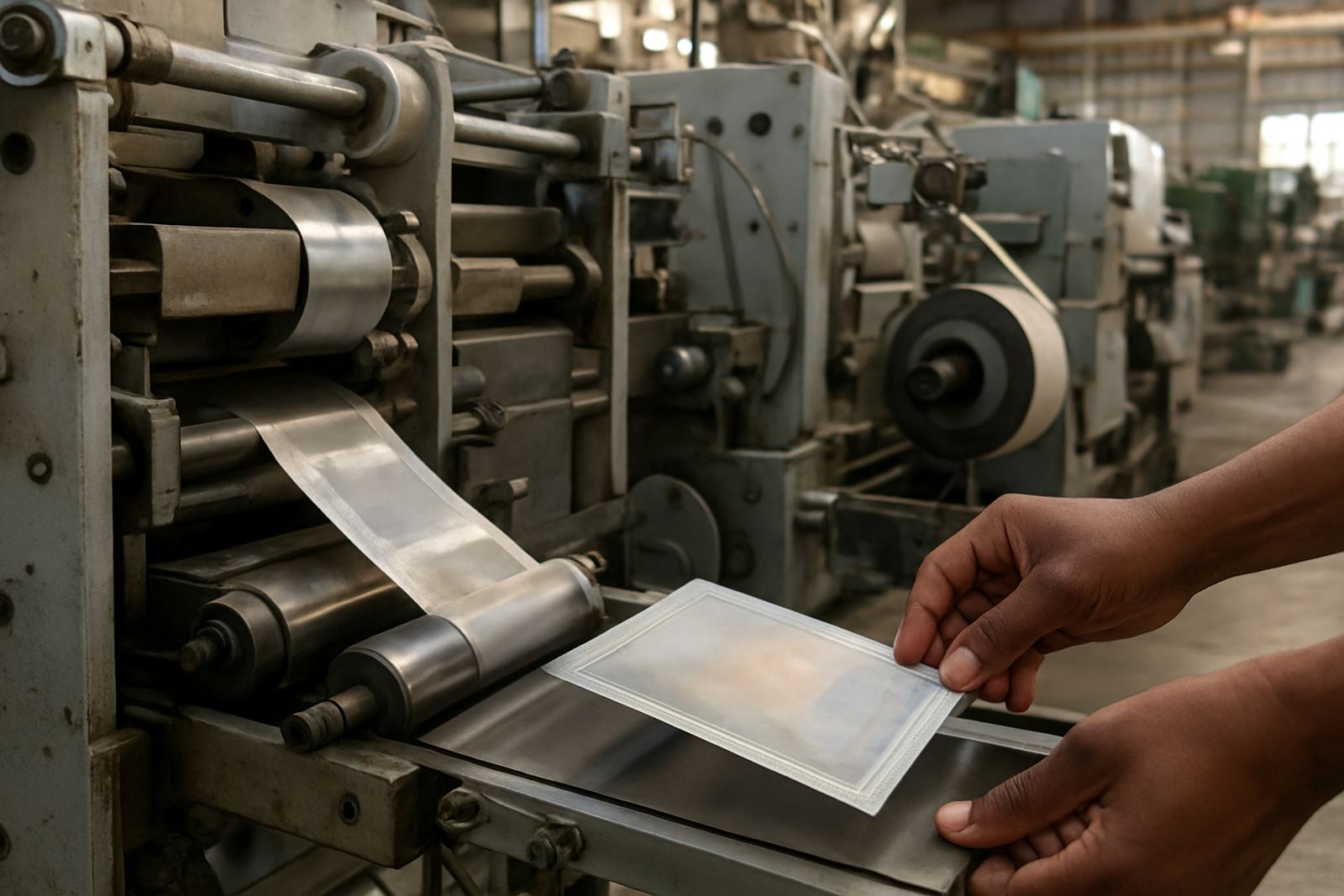
The first press run was used to confirm ink laydown, drying behaviour and sleeve fold lines. We stayed close to the converter during startup support, because a sleeve that looks fine on proof can still misread once the carton board is creased, trimmed and wrapped. The production team needed quick answers, not long theory, so we checked issues as they came up and adjusted where necessary.
Rub resistance checks were done after the first printed sets came off the line. The result was a sleeve that kept its warm-serve cue visible while still handling normal warehouse movement. A few small tweaks were made to the placement of the cue and the coverage on the key panel, but the production window stayed within the planned timetable.
Timeline wise, the project ran over three weeks from brief to approved sample. Week one covered artwork review and technical setup, week two covered drawdowns and trial batches, and week three covered line support and final sign-off. That pace suited the client because they needed to slot the sleeve into an existing meal launch without pushing other pack changes back.
Results from the Rustenburg launch
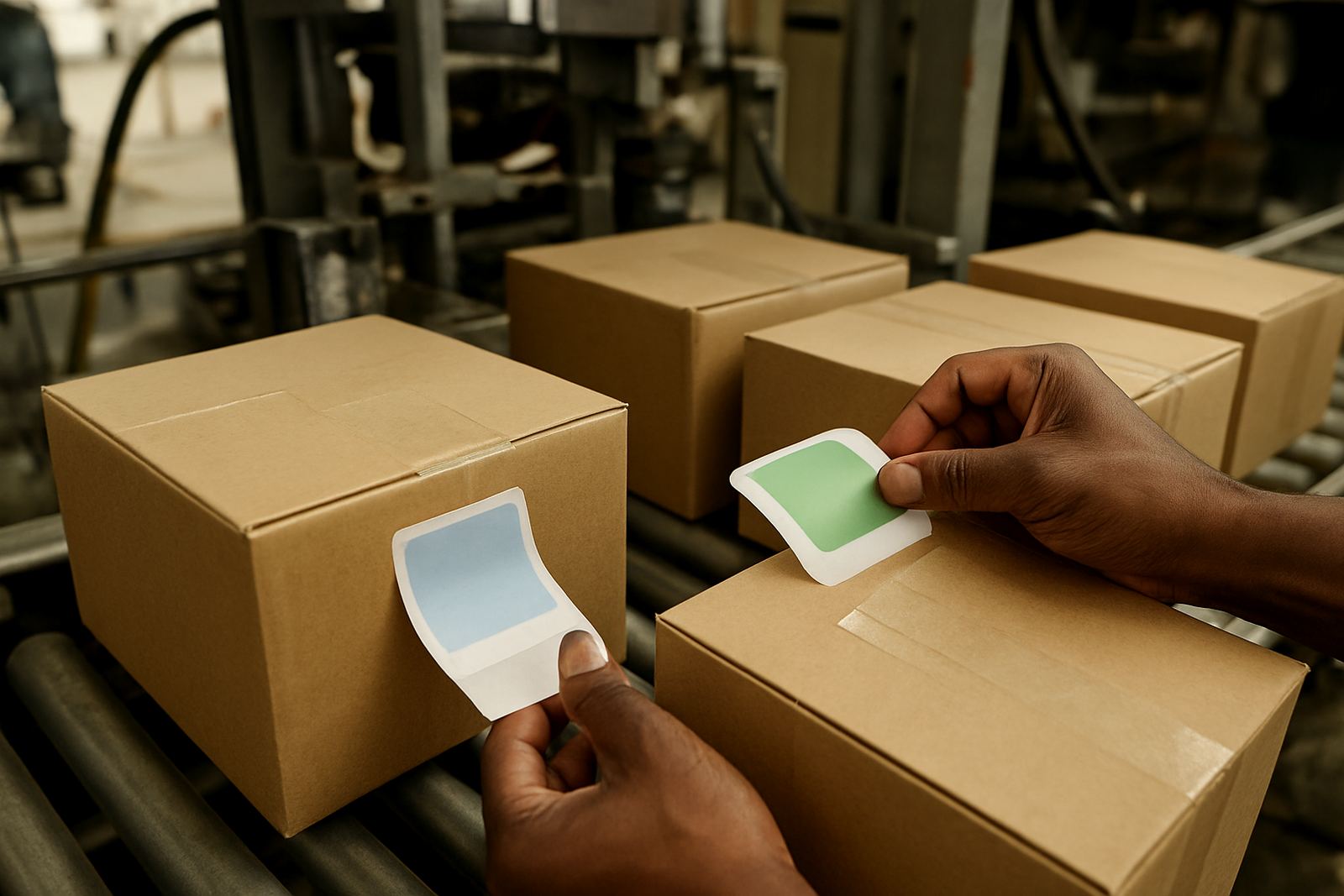
The sleeve did its job where it mattered most, on shelf and during handling. The warm-serve cue gave consumers a clear visual sign, which helped reduce confusion around usage. Store teams also reported that the pack was easier to sort by variant because the colour system was stronger and more consistent across the run.
From a packaging point of view, the project improved both presentation and control. The client gained a better read on repeatability, and the batch retain library gave them a reference point for future orders. That matters when you are printing in stages, under pressure, and need to match a previous run without starting from scratch.
- Clearer warm-serve guidance for shoppers
- Better repeatability across repeat print runs
- Stable handling through packing, transport and store shelving
- Useful batch records for future production
What we would carry into the next run
If we repeated this project, we would keep the same test-first approach and still leave room for line-side adjustments. For ready meals, the right result is usually a combination of accurate threshold setting, practical artwork layout and a print finish that behaves well in the real world. We would also continue the same checks for coating compatibility and rub resistance, because those two items often decide whether a sleeve keeps its finish after a busy week in transit.
ThermoInk supports packaging converters from Jacobs in Durban to Pinetown, Prospecton, Cape Town, Gqeberha, Johannesburg and Pretoria. For projects like this, the value is in getting the technical details right early, then keeping the production path simple. That helps avoid waste, cuts down on rework and gives the client a sleeve that is ready for normal South African supply conditions, including coastal humidity, inland heat and power interruptions that can affect a long shift.
- Keep the same trial batch path before full production
- Retain the batch sample for repeat matching
- Recheck threshold settings if the board or coating changes
- Confirm line performance before the next launch window
Key facts
| Project | Rustenburg ready meals tray sleeve |
|---|---|
| Client type | Mid-sized ready meals producer |
| Town | Rustenburg, North West |
| Timeline | 3 weeks from brief to approval |
| Key features | Warm-serve thermochromic cue and production support |
| Support work | Drawdowns, trial batches, rub testing and press startup |